Tether's XAUt token, backed by physical gold, has received Shariah certification, opening the door for Islamic banks and investors to access digital gold products that meet Islamic finance standards
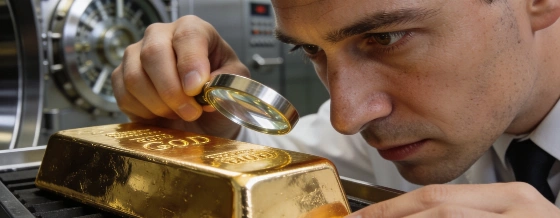
Tether's gold-backed stablecoin, XAUt, has been certified as Shariah-compliant by Amanah Advisors, a firm specializing in Islamic finance review. The certification, led by Mufti Faraz Adam, examined the token's structure and confirmed that it aligns with core Islamic finance principles, including full physical asset backing, the absence of interest and leverage, and transparent reserve disclosures. Each XAUt token represents one troy ounce of physical gold held in Swiss vaults, according to Tether's documentation.
The Shariah certification is designed to make XAUt accessible to Islamic banks, takaful (Islamic insurance) providers, and individual investors who require assets to meet specific religious criteria. Tether stated that it expects demand for XAUt to increase in regions with significant Islamic finance activity, such as the Gulf Cooperation Council, South Asia, and parts of Africa, where gold has long served as a preferred store of value and savings vehicle.
Market Impact and Adoption
According to Tether's March 31 reserves report, XAUt was backed by more than 707,000 troy ounces of gold, valued at over $3.3 billion at the time. On-chain data from RWA.xyz shows that the token's on-chain asset value grew from approximately $700 million in July 2025 to around $2.5 billion by mid-2026, reflecting increased adoption and market interest. Tether has identified Islamic banks developing digital gold products, halal savings platforms, and institutions seeking collateral-grade gold exposure as primary target users for XAUt.
Paolo Ardoino, CEO of Tether, described the certification as a bridge between physical gold ownership and blockchain infrastructure, while maintaining compliance with Islamic financial principles. Amanah Advisors will collaborate with Tether to develop governance frameworks for XAUt, with a particular focus on secondary-market transactions. Tether also plans to launch multilingual educational materials and regional outreach programs to support both institutional and retail adoption.
Islamic Finance and Crypto Compatibility
The compatibility of cryptocurrencies with Shariah law has been debated among Islamic scholars for years, with concerns centering on speculation, uncertainty, and interest-bearing structures. Despite these debates, Shariah-compliant digital assets have gained traction. In 2025, Bahrain-based AlAbraaj Restaurants Group adopted a Bitcoin treasury strategy and announced plans to develop Shariah-compliant instruments for broader access. In April 2026, Palm Azgar Finance introduced its Shariah-compliant PUSD stablecoin on ADI Chain, targeting the global Islamic finance market, which analysts estimate at over $3 trillion.
Regulatory momentum in the region has also accelerated. Dubai's Virtual Assets Regulatory Authority (VARA) issued its 50th Virtual Asset Service Provider license in July 2026, surpassing Hong Kong and Singapore in the number of licensed firms. This regulatory environment provides Tether with a growing institutional base for XAUt, which is structured to meet both blockchain standards and Islamic finance requirements.
Reserve Transparency and Token Structure
XAUt's structure is designed to address key concerns for both Islamic and conventional investors. The token is fully backed by allocated physical gold, with regular reserve reports published by Tether. Holders can verify the backing and, in some cases, redeem tokens for physical gold, subject to minimum redemption amounts and geographic restrictions. The transparency of reserves and the absence of interest or leverage are central to the token's Shariah compliance, according to Amanah Advisors.
While the certification does not guarantee regulatory approval in every jurisdiction, it provides a formal basis for Islamic financial institutions to consider XAUt as a compliant digital asset. Tether's outreach to Islamic banks and financial platforms is expected to test the practical demand for tokenized gold in markets where religious compliance is a prerequisite for investment.
As of March 31, 2026, Tether's official reserves report showed that XAUt was backed by more than 707,000 troy ounces of gold, valued at over $3.3 billion. On-chain data from RWA.xyz indicated that the token's on-chain asset value increased from about $700 million in July 2025 to roughly $2.5 billion by mid-2026, highlighting significant growth in adoption and market capitalization over the past year.
Tokenized real-world assets like XAUt offer a blockchain-based alternative to traditional gold investment, but they also introduce new considerations for custody, redemption, and regulatory oversight. While tokenization can improve transparency and settlement speed, investors must evaluate the legal structure, reserve management, and redemption conditions of each product. For users in the United States, access to XAUt and similar products may be subject to additional regulatory review and geographic restrictions, and suitability depends on individual risk tolerance, investment goals, and compliance requirements.