Sphere 3D could owe $2.2 million in U.S. tariffs on Bitcoin miners purchased in 2022, a sum that would consume most of its available cash. The company disputes the claim and says the final amount and timeline remain uncertain.
Sphere 3D, a U.S.-listed Bitcoin mining company, has disclosed it may be liable for approximately $2.2 million in supplemental U.S. tariffs tied to mining equipment purchased in 2022. The potential charge, which does not include statutory interest, is based on a U.S. Customs and Border Protection (CBP) determination that the miners were of Chinese origin and therefore subject to additional import duties. Sphere 3D contests this classification, stating that import documents from the seller certified the equipment was not made in China. The company has called the CBP's allegation meritless and intends to formally protest the claim.
Customs Dispute and Uncertainty
According to Sphere 3D's recent regulatory filing, the company has not yet received a final bill or detailed explanation from CBP regarding the origin analysis, the specific subsidiary or seller involved, or the exact models and entries affected. The filing also omits the country Sphere 3D claims as the true origin, the procedural trigger for the tariff assessment, and whether any amount has been paid, bonded, or accrued. Under federal customs rules, importers generally have 180 days to protest after a liquidation or other protestable CBP decision, but Sphere 3D has not disclosed the date or nature of the notice, leaving the deadline unclear.
Financial Impact and Liquidity
The possible $2.2 million tariff charge is significant relative to Sphere 3D's financial position. As of June 30, the company reported $2.8 million in cash, $0.2 million in working capital, and $5.9 million in current liabilities. It also held 20.5 BTC, valued at nearly $1.2 million at the time. The potential tariff would represent about 77% of the company's cash balance and more than ten times its working capital. Sphere 3D subsequently raised $1.7 million through its at-the-market equity program, but management has warned that recurring losses and negative operating cash flow raise substantial doubt about the company's ability to continue without additional funding.
Operational and Regulatory Context
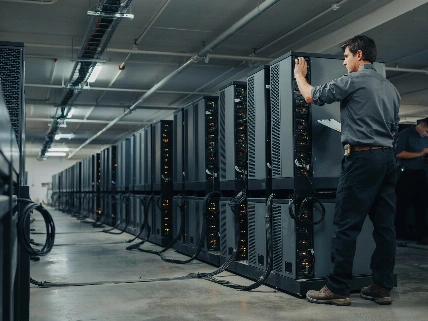
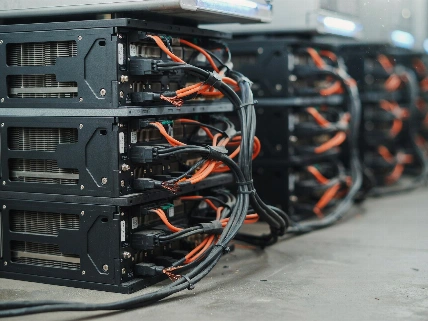
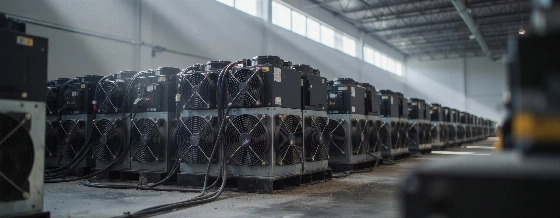
Sphere 3D's June 30 filing, its first after combining with Cathedra Bitcoin, showed over $9 million in operating cash used during the first half of the year, $5.3 million in proceeds from Bitcoin sales, and $2.4 million in net financing proceeds. The company has the capacity to sell up to $10.3 million in shares under its ATM prospectus, but is not required to do so. A separate 2022 disclosure noted that 4,000 S19j Pro miners arrived in July of that year and were held pending supplier documentation, with about 540 released in August. While FuFu Technologies (BitFuFu) was named in the purchase agreement, there is no public evidence directly linking those shipments or that vendor to the current tariff dispute.
Sphere 3D continues to operate under its original name and ticker symbol ANY, though a proposed rebranding to DarkHorse Technologies and a new DRK ticker remain pending. The company's situation highlights the ongoing regulatory and operational risks facing U.S.-based Bitcoin miners, especially as customs enforcement and trade policy evolve. For context, recent market volatility and regulatory developments have also pressured other Bitcoin-related businesses, as seen when Bitcoin's price reacted to U.S. Treasury buyback plans and shifting yields.
As of June 30, 2026, Sphere 3D's financial disclosures show the company's cash position, working capital, and Bitcoin holdings remain under pressure from both operational losses and unresolved regulatory liabilities. The outcome of the tariff protest could materially affect its liquidity and ability to fund ongoing mining operations.
Tariff disputes involving cryptocurrency mining equipment often hinge on the precise determination of a product's country of origin, which can be complicated by global supply chains and varying documentation standards. U.S. importers of mining hardware face heightened scrutiny due to ongoing trade tensions and regulatory focus on Chinese-manufactured technology. Companies in this sector must carefully manage customs compliance, supply chain transparency, and documentation to avoid unexpected liabilities that can threaten operational continuity and financial stability.