
Russia's new crypto law is now in effect, but investors and companies face years of regulatory uncertainty as critical infrastructure, licensing, and asset eligibility rules remain unfinished until at least 2027
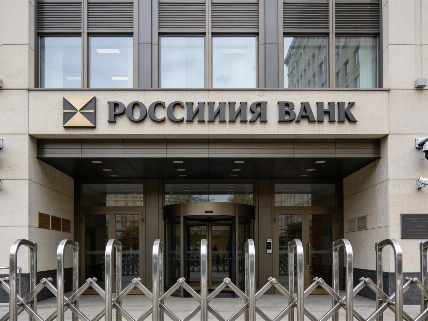
Russia has formally launched a regulated framework for cryptocurrency investment and cross-border transactions, but the market's practical rollout remains years away. As of September 1, Federal Law No. 282-FZ gives digital assets a defined place within Russia's financial system, allowing for regulated investment and international settlements through licensed intermediaries. Yet, the infrastructure and rules needed for broad market access are still under development, leaving investors and companies in a prolonged transition period.
Incomplete Infrastructure
While the law establishes a legal foundation for crypto activity, most of the required market infrastructure is not yet operational. The Bank of Russia is still drafting rules that will determine which cryptocurrencies can be offered to retail investors, how trading venues must calculate prices, and what capital requirements digital depositories must meet. Companies have until July 1, 2027, to secure licenses and bring their operations into compliance, meaning that many exchanges, brokers, and custodians are not yet authorized to serve the market. Some provisions of the law will not take effect until September 2027, reinforcing that the current phase is more about legal certainty than immediate access.
Limited Use and Investor Restrictions
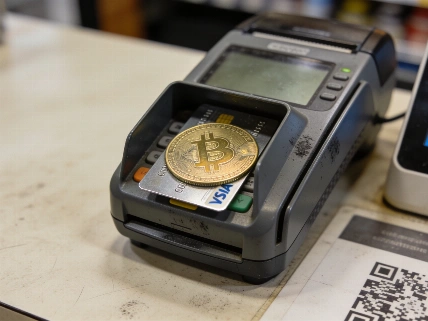
Despite the new legal framework, everyday crypto payments remain off-limits in Russia. Bitcoin, stablecoins, and other digital assets cannot be used for domestic purchases of goods and services. Instead, the law's main focus is on enabling cross-border settlements for exporters and importers, and on providing regulated investment channels for individuals and institutions. Retail investors will face strict limits: non-qualified investors must pass a test and will be capped at ₽300,000 (about $3,200) in eligible crypto purchases per year through each intermediary. Qualified investors must also pass a test but are not subject to the same monetary cap. The list of cryptocurrencies permitted for retail purchase is still under review, with the central bank proposing Bitcoin, Ethereum, and Tether's USDT, but final approval is pending.
Regulatory Uncertainty and Market Impact
Key regulatory details remain unresolved. The Bank of Russia's draft ordinances on asset eligibility, price calculation, and depository capital requirements were not finalized as the law took effect. Two additional measures from August 27 were still awaiting registration with the Ministry of Justice. This staggered rollout means that, for now, Russia's crypto market is legally open but functionally limited. The next phase depends on the central bank finalizing rules and enough firms obtaining licenses to support trading and custody. The situation echoes broader global uncertainty around digital asset regulation, as seen when the departure of key U.S. crypto policy officials left the CLARITY Act's future in doubt-a development covered in detail in EgonCoin's analysis of the shifting landscape for digital asset legislation.
According to the Bank of Russia, the new regime will eventually cover foreign stablecoins and require all intermediaries to comply with strict licensing and capital standards. Until the full set of rules is in place and firms are licensed, Russian investors and companies will have limited access to regulated crypto products. The law's phased implementation underscores the complexity of integrating digital assets into a traditional financial system, especially amid ongoing geopolitical and regulatory pressures.
Russia's approach to crypto regulation highlights the challenges of balancing legal certainty with practical market access. By establishing a legal framework before the supporting infrastructure is ready, the country aims to provide clarity for future development while managing risks associated with digital assets. For U.S. readers, the Russian experience offers a case study in how regulatory timelines, licensing requirements, and asset eligibility rules can shape the pace and structure of national crypto markets.