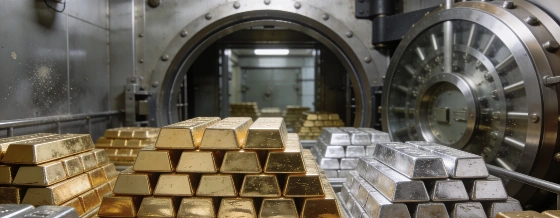
Matrixdock's XAUm and XAGm tokens bring gold and silver onto blockchains, but their value depends on off-chain reserves, third-party audits, and complex custody. Gaps in verification, supply tracking, and legal clarity create risks for users and DeFi protocols
Tokenizing real-world assets (RWA) like gold and silver is often described as a way to bridge traditional finance and blockchain. But the process introduces a new set of risks that go beyond those found in native cryptocurrencies. Matrixdock's XAUm and XAGm tokens, which represent claims on physical gold and silver, illustrate how the value of RWA tokens depends not just on smart contracts, but also on the existence, custody, and verification of off-chain assets.
Reserve Verification Challenges
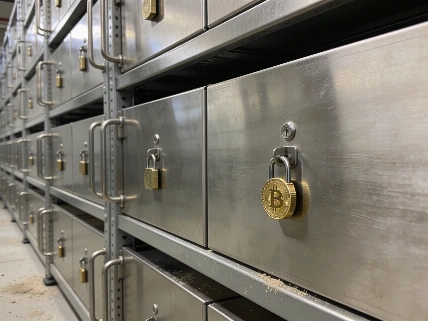
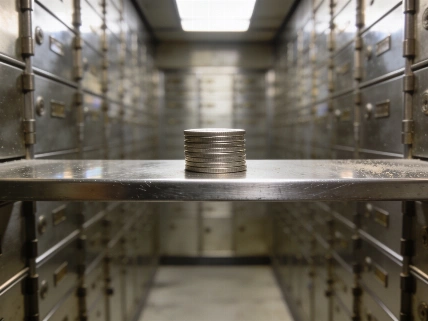
Unlike Bitcoin or Ethereum, RWA tokens such as XAUm and XAGm are only as credible as the physical assets backing them. While blockchain records can confirm token supply and transaction history, they cannot independently verify that the corresponding gold or silver is actually stored in a vault. Matrixdock relies on third-party audits-such as those conducted by Bureau Veritas-to provide assurance that reserves exist. These audits help reduce information gaps, but they are limited to snapshots in time and depend on the reliability of external custodians and auditors. If verification mechanisms are weak or infrequent, users may be exposed to under-collateralization or even fraudulent claims about reserves.
Another layer of complexity comes from the need to keep token supply in sync with physical reserves. If more tokens are issued than there is gold or silver in custody, the system becomes under-collateralized. Matrixdock says it reconciles on-chain supply with reserve audits, but asset quantities can change as tokens are minted, burned, or moved across blockchains. This makes ongoing, transparent reporting essential for maintaining trust.
Custody, Multi-Chain, and Smart Contract Risks
Even when physical assets exist, custody arrangements introduce operational and counterparty risks. Gold and silver reserves are typically managed by specialized custodians, and any breakdown in these relationships-such as a vault operator losing access or changing terms-can undermine token holders' confidence. Matrixdock's transparency framework aims to address these issues, but users must distinguish between asset existence and the reliability of custody and management.
Multi-chain deployment adds further complexity. XAUm, for example, is available on several blockchains, including EVM-compatible networks, Sui, Solana, and Stellar. This broadens usability but makes it harder to track total supply and ensure that cross-chain transfers do not create inconsistencies. Cross-chain bridges and interoperability solutions introduce additional smart contract and infrastructure risks, which can affect both the security and transparency of RWA tokens.
On-chain, XAUm and XAGm are subject to the same smart contract vulnerabilities as other tokens. Bugs or exploits in token contracts, bridges, or DeFi integrations can result in loss of funds or disruption of token operations. Even with verified reserves, technical failures or attacks can impact user balances and market confidence.
Liquidity, Legal, and Regulatory Uncertainty
RWA tokens are designed to track the value of physical assets, but secondary market liquidity is not guaranteed. Thin trading, wide bid-ask spreads, or limited exchange support can make it difficult for holders to buy or sell at fair prices. Market prices may diverge from the value of the underlying gold or silver, especially during periods of stress or low liquidity.
Legal and regulatory issues add another layer of uncertainty. Tokenizing gold or silver does not automatically confer legal ownership of the physical asset to token holders. Jurisdictional differences, unclear rights, and evolving regulations can affect how RWA products operate and whether users are protected in the event of disputes or insolvency. Matrixdock's reserve audits address asset existence, but legal clarity around token holder rights and enforceability remains a separate challenge.
For DeFi protocols that accept RWA tokens as collateral, these risks are not just theoretical. If reserve transparency breaks down or liquidity dries up, lending platforms may face difficulties in liquidating collateral or managing risk. As RWA adoption grows, protocols will need to develop more robust frameworks for evaluating asset backing, price feeds, and legal enforceability.
According to Matrixdock's published documentation, XAUm and XAGm are backed by physical gold and silver held in custody, with semi-annual audits and monthly reserve reports. As of the latest available data, Matrixdock reports that its reserve audits are conducted by Bureau Veritas, and supply reconciliation is performed across all supported blockchains. However, the frequency and scope of these audits, as well as the legal structure of token holder claims, may vary by jurisdiction and over time.
While Matrixdock's approach to reserve transparency is designed to reduce information asymmetry, it does not eliminate all risks. As highlighted in EgonCoin's analysis of crypto trading risks, even robust verification frameworks can leave gaps when custody, legal, or technical issues arise.
Tokenizing real-world assets on blockchains offers new opportunities for liquidity and composability, but it also exposes users to a unique blend of on-chain and off-chain risks. Reserve audits, proof-of-reserves mechanisms, and transparent reporting are important tools, but they are not substitutes for comprehensive risk assessment. For U.S. users and DeFi protocols, understanding the interplay between physical asset custody, legal rights, and blockchain infrastructure is critical to evaluating the credibility and utility of RWA tokens.
Tokenized assets like XAUm and XAGm highlight the trade-offs involved in bringing traditional commodities onto blockchains. While transparency mechanisms can help users verify that tokens are backed by real assets, the system's integrity ultimately depends on the reliability of custodians, auditors, and legal frameworks. As the RWA sector expands, market participants will need to weigh these risks against the potential benefits of on-chain asset exposure.