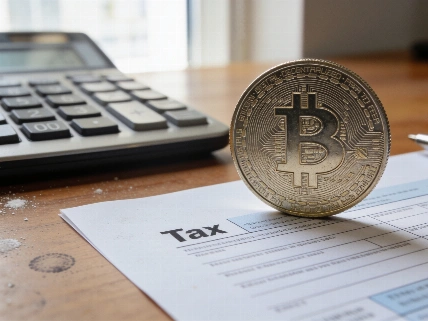

Illinois's upcoming 0.2% digital asset tax could force crypto users to pay monthly on their total holdings if brokers fail to collect, as industry groups challenge the law's constitutionality in court
Illinois's plan to impose a 0.2% tax on digital asset transactions starting January 1, 2027, is drawing sharp opposition from crypto industry groups and raising new questions about how everyday users could be affected. The law, known as the Digital Asset Tax Act, would require brokers to collect the tax based on the total value of digital assets involved in covered transactions-not just on realized gains or service fees. If brokers do not collect the tax, Illinois customers would be responsible for remitting it themselves each month, potentially creating a significant compliance burden for retail users.
Industry Lawsuits Target State Tax
The Blockchain Association and the Crypto Council for Innovation filed a lawsuit in Sangamon County Circuit Court on August 21, seeking to block the law's implementation. Their complaint, which names Illinois Department of Revenue Director David Harris, Attorney General Kwame Raoul, and Sangamon County State's Attorney John Milhiser, alleges that the tax violates federal and state constitutional protections, including the Commerce Clause and due process rights. The groups also argue that the law is preempted by the federal Internet Tax Freedom Act and breaches Illinois's own rules on tax uniformity and legislative process. These are legal allegations, not court findings, and the case remains pending. A separate challenge was filed by The Digital Chamber in the same county, but the two lawsuits are not currently consolidated or coordinated by the court.
How the Tax Would Work
Under the statute, any broker facilitating the sale, exchange, or storage of digital assets for Illinois customers must collect the 0.2% tax on the value of each covered transaction. The law defines covered activity as any business-related exchange, transfer, or storage of digital assets performed for a customer who has agreed to receive those services. Notably, direct self-custody transfers that do not involve a broker are not subject to the tax collection requirement. For brokers based outside Illinois, the obligation to collect the tax is triggered if their gross receipts from Illinois customers reach $100,000 in the previous 12 months, with the threshold tested quarterly. Once the threshold is met, the broker must collect and remit the tax for at least one year, regardless of subsequent sales volume.
User Compliance Risks
If a broker fails to collect the tax at the point of transaction, the responsibility shifts to the Illinois customer, who must remit the tax by the 20th day of the following month using forms prescribed by the Department of Revenue. This could result in monthly tax bills for users who transact with non-compliant or out-of-state brokers. The law's compliance date remains January 1, 2027, unless a court grants an injunction or the statute is amended. As of now, no injunction has been issued, and the legal process is ongoing. The situation echoes broader concerns about the complexity and unpredictability of digital asset taxation, as seen when companies have shifted strategies in response to regulatory changes, such as FG Nexus's decision to liquidate its Ethereum holdings and redirect funds to real estate, discussed in a recent EgonCoin report on crypto treasury management risks.
Market and Regulatory Context
Illinois's digital asset tax is among the first state-level efforts to tax crypto transactions based on asset value rather than realized gains. The law's structure could create significant administrative challenges for both brokers and users, especially as the industry continues to adapt to evolving federal and state regulations. According to the Illinois Department of Revenue, the tax applies only to transactions involving brokers and does not cover peer-to-peer transfers without broker involvement. The $100,000 annual threshold for out-of-state brokers is designed to capture larger market participants, but smaller brokers and individual users may still face compliance risks if tax collection is inconsistent across platforms.
State-level crypto tax proposals like Illinois's highlight the growing complexity of digital asset regulation in the U.S. Unlike federal capital gains taxes, which apply only when assets are sold for a profit, transaction-based taxes can create reporting and payment obligations even when users do not realize gains. This distinction is especially important for users who move assets between wallets or use multiple platforms, as tracking taxable events and ensuring compliance may require new tools and processes. As the legal challenges proceed, the outcome could set important precedents for how states approach digital asset taxation and enforcement in the years ahead.