NFT marketplaces like OpenSea, Blur, and NBA Top Shot differ in blockchain support, fees, royalties, and custody. Understanding these differences is key to navigating risks, costs, and security when buying digital assets
NFTs-unique digital assets recorded on blockchains-are traded across a growing range of online marketplaces. These platforms vary widely in the blockchains and token standards they support, their approach to curation, fee structures, royalty enforcement, and payment options. For U.S. users, understanding these differences is essential to navigating the NFT market safely and efficiently.
Marketplace Types and Key Differences
NFT marketplaces fall into several categories, each with distinct features. General-purpose platforms like OpenSea aggregate listings from multiple blockchains and collections, while trader-focused venues such as Blur offer high-speed tools and often lower fees. Curated art platforms like SuperRare and Foundation restrict listings to selected artists, emphasizing provenance and verification. Game and sports ecosystems-including Axie Infinity, Sorare, and NBA Top Shot-focus on in-game assets or licensed collectibles, with rules and liquidity specific to their environments.
Custody models also differ. Some platforms, especially those run by centralized exchanges, hold NFTs in custodial accounts, which may simplify fiat purchases but introduce counterparty risk. Others require users to connect a self-custody wallet, giving buyers direct control over their assets but increasing the need for careful key management. Payment options range from crypto-only to platforms that accept U.S. dollars or other fiat currencies, sometimes through integrated on-ramps.
Fees, Royalties, and Transaction Costs
Buying an NFT typically involves three layers of cost: marketplace fees, creator royalties, and blockchain network (gas) fees. Marketplace fees compensate the platform for facilitating trades and can range from zero to several percent, depending on the venue. Creator royalties, often set in the NFT's smart contract or enforced by marketplace policy, are deducted from secondary sales and paid to the original creator. Network fees are paid to miners or validators for processing transactions and fluctuate with blockchain congestion.
For example, OpenSea generally charges a 2.5% marketplace fee, while Blur has at times offered zero-fee trading to attract volume. Royalties may be set by the NFT collection or adjusted by the platform, and enforcement varies. Some platforms, like Zora, emphasize minimal platform fees but still require users to pay network costs and accept smart-contract risk. Always confirm the current fee and royalty structure before making a purchase, as these can change by collection or platform policy.
How to Select a Marketplace and Buy Safely
Choosing the right NFT marketplace depends on several factors: the blockchain and token standard of the NFT, the type of asset (art, game item, collectible), fee and royalty rules, custody preferences, and payment methods. In-game assets are usually best purchased on the game's official marketplace to ensure compatibility. Curated art venues may offer stronger verification but often charge higher fees. General marketplaces provide broader selection but may require more diligence to avoid counterfeit or plagiarized NFTs.
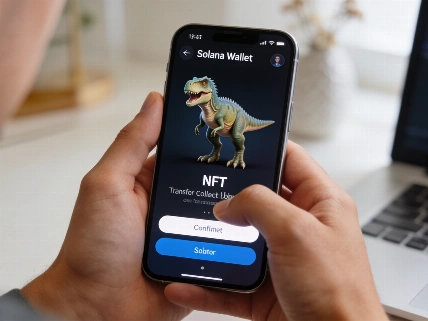
Before buying, verify the supported blockchain and token standard, review how fees and royalties are enforced, check available payment options, and understand whether the platform holds assets or transfers them to your wallet. Use discovery tools and verification badges to assess collection activity, but do not rely solely on marketing or social signals. For step-by-step purchases, users typically need to connect a compatible wallet, fund it with the required cryptocurrency or fiat, verify the NFT's contract address and seller, and confirm all fees before finalizing the transaction. After purchase, check that the NFT appears in your wallet or platform inventory.
Security is a persistent concern. Counterfeit NFTs, phishing sites, smart-contract vulnerabilities, and project abandonment are ongoing risks. To mitigate these, verify collection provenance and contract addresses, use hardware wallets for long-term holdings, bookmark official marketplace URLs, and review on-chain trading history and community signals. Custodial platforms introduce different risks than self-custody wallets, so understand the implications for asset recovery and operational security. For a broader look at digital asset protection, see EgonCoin's coverage of crypto security best practices in 2026.
Market Data and Platform Activity
According to DappRadar, OpenSea remains one of the largest NFT marketplaces by trading volume, with over $3 billion in cumulative Ethereum-based NFT sales as of early 2026. Blur has gained significant market share among active traders, while NBA Top Shot and Sorare continue to lead in sports collectibles. Marketplace fees, royalty enforcement, and supported blockchains remain key differentiators, and users should monitor platform announcements for changes in fee schedules or supported assets. Network fees on Ethereum can fluctuate widely, sometimes exceeding $20 per transaction during periods of high congestion, while alternative chains like Polygon or Flow may offer lower costs.
NFT marketplaces are not one-size-fits-all. Each platform's approach to curation, custody, fees, and payment rails creates trade-offs in liquidity, security, and user experience. For buyers, matching the asset type and blockchain to the right marketplace-and applying careful verification and wallet hygiene-can reduce the risk of fraud or loss, but does not eliminate price volatility or project risk. As the NFT ecosystem matures, platforms may adjust their models in response to regulatory developments, user demand, and evolving security threats.
Royalties in the NFT market are a source of ongoing debate. While many platforms and creators favor automatic royalty payments on secondary sales, enforcement is inconsistent across marketplaces and blockchains. Some platforms allow creators to set royalties in the smart contract, but buyers should always check the current policy and fee structure before transacting. As the market evolves, royalty enforcement and fee transparency are likely to remain central issues for both creators and collectors.