Claynosaurz NFTs use Solana's blockchain to record ownership, manage metadata, and enable trading of digital collectibles. Here's how the process works, what users should know about fees, and why network choice matters
Claynosaurz NFTs are digital collectibles built on the Solana blockchain, designed to give users verifiable on-chain ownership of unique characters. Unlike traditional in-game items or images controlled by a project's account, each Claynosaurz NFT is tied to a specific Solana wallet address, with ownership and transfer history recorded directly on the blockchain. Metadata linked to each NFT provides details such as the character's name, image, and visual traits, which wallets and NFT marketplaces use to display the collectible's appearance and attributes.
On-Chain Ownership and Metadata
When a user acquires a Claynosaurz NFT, the asset is assigned a unique on-chain identifier and stored in their Solana wallet. The blockchain's account state reflects which wallet controls the NFT at any given time. Transfers, listings, and sales all require on-chain transactions, which are validated by Solana's network and update the official record of ownership. The NFT's metadata, typically stored as a JSON file referenced by the on-chain asset, includes links to images and a set of attributes that define the collectible's look and rarity. While these attributes help users and marketplaces filter and display NFTs, they do not guarantee economic value or rarity unless supported by transparent distribution data.
Network Choice and Transaction Fees
Claynosaurz selected Solana as its primary network for the Genesis and Call of Saga series, citing the blockchain's high throughput and low transaction costs. Solana's fee structure consists of a base fee per signature and an optional priority fee, with the total cost depending on transaction complexity and network demand. These low fees are especially relevant for NFT projects with frequent transfers and active communities. The project later expanded to the Sui blockchain with the Popkins collection, but original Solana-based assets were not migrated or replaced. As a result, Claynosaurz now operates in a multichain format, with different series tied to specific networks.
Trading and Marketplace Risks
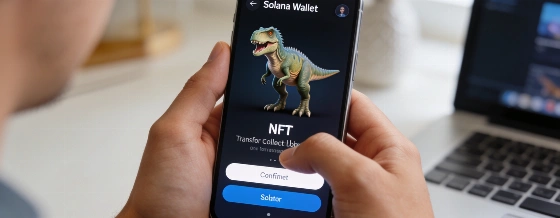
To buy or sell a Claynosaurz NFT, users connect a compatible Solana wallet to an NFT marketplace, locate the official collection, and initiate a transaction. The wallet prompts the user to sign the transaction, which updates ownership records and processes payment. It is critical to verify the collection's authenticity by checking the on-chain collection address and marketplace verification, as counterfeit collections may mimic names and images but cannot replicate official on-chain records. Users should also review marketplace fees, royalty settings, and transaction details before signing, as fee structures and royalty enforcement can vary by platform and NFT standard.
Royalties, Secondary Sales, and Confirmation
Royalties for Claynosaurz NFTs are set in the metadata but are only enforced if the marketplace supports the relevant standard. Earlier Solana NFT standards relied on marketplaces to honor royalty payments, while newer standards like Metaplex Core offer stricter enforcement. The presence of a royalty field in metadata does not guarantee universal enforcement across all platforms. Network fees are charged separately from NFT prices and marketplace commissions, and users must maintain a sufficient SOL balance to cover transaction costs. Transaction status can be checked via wallet interfaces or blockchain explorers, with confirmation times depending on network conditions and fee settings.
According to Solscan, Solana's average NFT transaction fee in May 2026 ranged from $0.0005 to $0.002 per transfer, depending on network congestion and priority settings. The Claynosaurz Genesis and Call of Saga collections remain among the most actively traded Solana NFT series, with daily trading volumes fluctuating based on market sentiment and new releases. As of June 2026, the circulating supply of Genesis Claynosaurz NFTs is fixed, while Popkins on Sui are managed separately and are not interchangeable with Solana-based assets.
For users navigating NFT ownership and trading, understanding the distinction between on-chain records, wallet interfaces, and marketplace displays is essential. Blockchain records determine actual ownership, while images and attributes shown in wallets or on marketplaces depend on external metadata services. Network fees, royalty enforcement, and transaction confirmation times can all affect the user experience and the true cost of trading. As NFT standards and marketplace practices evolve, users should remain vigilant about verifying collections, reviewing transaction details, and maintaining control over their wallet credentials.