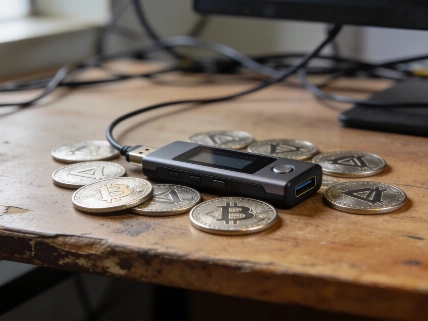

Japanese gaming firm Gumi and SBI Financial Services are launching an $18.3 million crypto fund focused on Bitcoin and major altcoins, aiming to build a track record ahead of possible changes to Japan's crypto ETF rules
Japanese mobile game developer Gumi and SBI Financial Services are preparing to launch a new crypto investment fund with a target size of 3 billion yen (about $18.3 million), aiming to position themselves for a potential shift in Japan's regulatory stance on crypto exchange-traded funds (ETFs). The fund, which is scheduled to begin operations on August 1, 2026, will be managed by SBI Crypto Fund, a joint venture in which SBI Financial Services holds a 51% stake and Gumi's subsidiary gC Labs holds 49%. Backing for the fund comes from Daiwa Securities Group and other investors, according to company statements.
Fund Targets Future Crypto ETF Opportunities in Japan
The fund's strategy will focus on investing in Bitcoin and major altcoins, using a mix of staking, portfolio rebalancing, and hedging techniques. Gumi has stated that one of its main objectives is to establish a performance record in advance of any regulatory changes that might allow crypto ETFs in Japan. Currently, Japanese law prohibits crypto ETFs, but industry participants have signaled growing expectations that the rules could eventually be relaxed. No official regulatory decision has been announced, and the timeline for any change remains uncertain.
Gumi Expands Its Digital Asset Holdings
Gumi's crypto holdings have expanded significantly over the past year. As of April 30, the company reported holding 14.13 billion yen ($86.6 million) in crypto assets, up from 7.58 billion yen ($46.5 million) at the same point in 2025, based on its annual report. XRP remains the largest single holding in Gumi's portfolio. In addition to its own balance sheet exposure, Gumi operates portfolio management services through Hinode Technologies and manages other crypto investment funds. The new partnership with SBI introduces an institutionally structured vehicle to complement these existing activities.
The launch of this fund comes as Japanese financial institutions and regulators continue to evaluate the role of digital assets in the country's investment landscape. While Japan has historically taken a cautious approach to crypto investment products, recent developments—such as the Shariah certification of Tether's gold-backed token for Islamic finance, as covered in EgonCoin's reporting on digital gold products—reflect a broader trend of experimentation and gradual regulatory engagement with new asset classes.
Japan's Market Differs From the U.S. ETF Landscape
For U.S. readers, it is worth noting that Japan's regulatory environment for crypto funds and ETFs differs significantly from the U.S. market, where spot Bitcoin ETFs have already launched and attracted substantial inflows. The Japanese fund's structure and strategy are designed to comply with current domestic restrictions while preparing for a possible future in which crypto ETFs become permissible. The fund's performance and operational record could become a key reference point if and when Japanese regulators revisit the ETF ban.
According to Gumi's latest annual report, the company's crypto asset holdings more than doubled year over year, with XRP accounting for the majority of its portfolio. The fund's 3 billion yen ($18.3 million) target size is modest compared to the scale of U.S. spot Bitcoin ETFs, which have seen billions of dollars in inflows since their approval. The fund's launch date of August 1, 2026, suggests a long-term approach, with the goal of building a credible track record ahead of any regulatory changes.
Alternative Fund Structures Fill the Regulatory Gap
Crypto ETFs are investment vehicles that track the price of digital assets and trade on traditional stock exchanges, allowing investors to gain exposure to cryptocurrencies without directly holding them. In the U.S., the approval of spot Bitcoin ETFs has been seen as a milestone for mainstream adoption, but regulatory frameworks vary widely across jurisdictions. In Japan, the current ban on crypto ETFs means that institutional investors must rely on alternative structures, such as the fund being launched by Gumi and SBI, to access digital asset markets. The evolution of these products will depend on future regulatory decisions and the willingness of financial authorities to adapt to changing market dynamics.