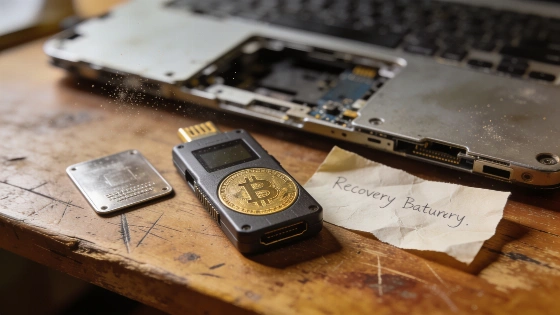
Breaking up crypto into hot, warm, and cold layers helps users avoid losing everything to one slip or attack. This setup keeps daily trading money apart from long-term savings and vaults.
One bad click or a hacked device can empty a crypto wallet in seconds. Still, many people keep all their coins-trading cash, savings, and long-term holdings-under one key or address. That puts everything at risk with every transaction. Even savings that rarely move face the same dangers as daily trading funds.
Layered storage in practice
Layered crypto storage is a simple fix. Split assets into three layers based on how often you use them and how much they hold. The hot layer is for money you need right away-trading or spending. Most people use exchange accounts or browser wallets for this. The warm layer is for medium-term savings. These sit in quieter addresses or separate software wallets. The cold layer holds big, rarely moved amounts in hardware wallets or offline setups.
Industry guides for 2026 continue to recommend separating working funds and reserves across different wallets to limit losses if one is compromised.
This isn't just a technical split. Each layer has its own risks. Hot wallets are easy to use but open to phishing, malware, and remote hacks. Cold storage is hard to use on purpose-keys stay offline, and moving funds takes extra steps. The warm layer sits in the middle. It helps make sure one bad dApp or browser extension can't drain everything you own.
Key mechanisms and risks
For layering to work, the separation must be real. Using the same seed phrase for several wallets or addresses does not create true isolation. If a hot wallet shares a seed with cold storage and gets hacked, all your funds are exposed. Each layer needs its own seed and backup, stored safely and labeled clearly. Industry research warns that reusing a seed across wallets breaks the whole isolation idea. Avoid this common mistake at all costs.
Token approvals are another weak spot. Giving a smart contract unlimited access to tokens in a hot wallet can leave funds open long after the first transaction. ERC-20 token approvals don't expire on their own, so "infinite approvals" stay active until you revoke them. This creates a long-term risk as detailed by RBC Crypto. Limit approvals to what you need, revoke old permissions, and keep risky dApps in a separate "lab" wallet. Cold and warm wallets should not connect to new apps or sign approvals unless it's absolutely needed.
Regularly reviewing and revoking unnecessary or infinite token approvals is now a standard security recommendation. Users are advised to check the network, token, spender, and approval limits, and to revoke permissions for unknown or inactive contracts to reduce exposure.
Operational discipline and recovery
Layered storage only works if you stick to the plan. Sweep extra funds from the hot layer into warm or cold storage after trading. Keep backups offline-on paper or metal, not in the cloud or as screenshots. Test your recovery process with small amounts before moving big sums. For large or shared holdings, multi-signature wallets can add another layer of safety by needing more than one key to move funds.
Good records matter. Write down which seed belongs to which layer, where each backup is stored, and who can help in an emergency. Vague notes like "old wallet" can cause confusion or loss when you need to recover funds. After restoring a wallet, double-check the addresses match the right layer before moving large amounts.
Choosing the right layer
Not every situation fits one layer. Same-day trades and small transfers go in the hot layer. Big withdrawals or rebalancing might stop in the warm layer before moving to cold storage. If you're unsure, pick the more isolated option. You can always add speed later, but money lost from a hot wallet hack is rarely recovered.
Exchange-held balances also carry counterparty risk, so even hot-layer funds should have a cap. Match each transfer to the risk level of its layer. Balance convenience with safety. Review your storage setup and backup spots often, especially as your savings grow or you use the blockchain more.
Data from top hardware wallet makers shows demand for cold storage devices has climbed since 2022. This points to more users taking self-custody risks seriously. Industry reports say hardware wallet shipments hit record highs in 2023, with both retail and institutional buyers looking to cut online exposure.
Layered storage won't solve every problem, but it does limit the fallout from mistakes, phishing, or software bugs. By splitting trading, savings, and vaults, you make sure one hacked device or approval doesn't wipe you out. The real test isn't technical-it's sticking to good habits. Without regular sweeps, clear records, and strict seed and permission separation, even the best storage plan can fail when it matters most.
Crypto wallets use private keys-long strings of data that control your funds on the blockchain. A seed phrase is a backup for this key, usually 12 or 24 words. If a seed leaks or is entered on a fake site, every address from it can be drained. Using different seeds for hot, warm, and cold layers lowers the risk that one breach unlocks everything. But this takes careful backup and recovery planning. Never share or upload your seed phrases. Always test your recovery steps with small amounts before trusting them with real money.