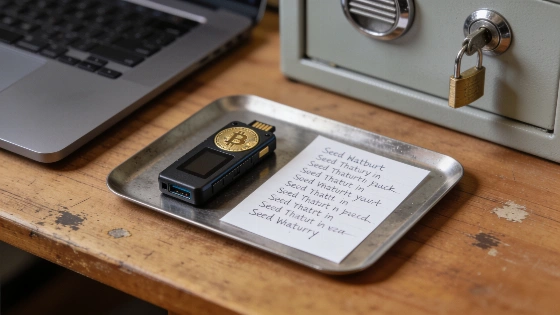
Most crypto losses happen because of phishing, bad approvals, or leaked seeds-not technical hacks. Keeping funds separated, setting strict limits, and sticking to good habits can mean the difference between a small setback and losing everything.
One wrong click or a leaked seed phrase can wipe out years of savings. The biggest risk for crypto users isn't some rare device hack. It's when security lines blur-when long-term savings and daily spending end up behind the same login, or when shortcuts become the norm. Most people lose funds to phishing, fake support, risky token approvals, or seed leaks. Hackers rarely break hardware wallets or crack strong encryption.
Layered storage is safer than any single solution
Centralized exchanges make trading and cashing out easy, but users give up control of their private keys and have to trust the platform's security. These accounts don't have bank-style deposit insurance. If the exchange freezes withdrawals or fails, funds can get stuck. Self-custody wallets put users in charge, but also make them fully responsible for keeping private keys or seed phrases safe. Lose the backup, and there's no password reset or support to help.
In July 2025, U.S. regulators reaffirmed that banks handling crypto assets must ensure secure custody with robust risk management-setting a new regulatory benchmark for digital asset storage.
Security pros say to split funds by purpose. Keep only what you need for daily use in a "hot" wallet or exchange account. Store long-term savings somewhere else, with stronger protection. Each wallet or account should have a clear purpose and a hard limit on how much it holds. If you break these limits, treat it as an exception that needs a real reason-not a new habit. Without these lines, convenience slowly pulls more assets into risky places, even if you started with a good setup.
Access controls and daily routines
On exchanges, basics matter. Use a strong, unique password. Turn on app-based two-factor authentication (2FA). Set up withdrawal allowlists. Watch for account alerts. App-based 2FA is safer than SMS, which can be hijacked with SIM-swapping. A good password manager helps keep passwords unique. Allowlists buy you time if someone gets into your account, making it harder for them to steal funds right away.
Device hygiene is just as important. Keep your operating system and apps updated. Be picky about browser extensions and what you download. Attackers use fake apps, cloned sites, and fake support to trick people into giving up seeds or approving bad transactions. Always check URLs before using a wallet or dApp. Ignore random support messages. Only approve tokens for trusted smart contracts, and set limits instead of giving unlimited access. Review and revoke old approvals often to cut down risk.
Under the EU's MiCA regime, client crypto-assets held by service providers must be legally and operationally segregated from the provider's own assets, aiming to reduce losses from fraud, cyber threats, and negligence.
Address hygiene is another weak spot. Clipboard malware and address poisoning can swap out where your funds go. Always check the full address before sending. For coins that need memos or tags, double-check those fields or you could lose funds. Set up wallet alerts and watch activity to spot anything odd early.
Hardware wallets and seed safety
Hardware wallets add a physical layer. They keep private keys on a separate device and make you confirm transactions on the device itself. This stops most malware from draining funds with one click. But hardware wallets can't stop you from typing your seed into a phishing site or approving a bad transaction. For most people, a software wallet with good habits is a solid start. Use hardware wallets for bigger, rarely moved balances.
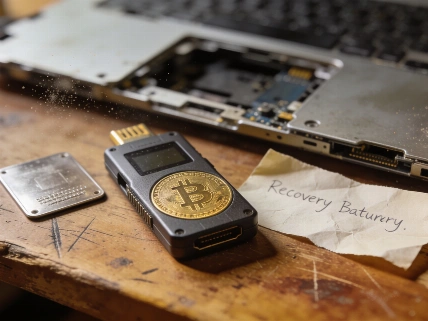
Seed phrase safety is non-negotiable. Back up your seed offline-on paper or metal, never in the cloud, photos, or chat apps. Passphrases can help, but if you forget one, your funds are gone for good. If you lose a device, recover from your offline backup and move to a new wallet with a fresh seed. Split seeds by storage layer, keep copies off-site, and practice recovery drills. This is what real custody looks like.
Checklist for real-world security
Before making big deposits-or after changing devices, software, or traveling-run through a checklist. Separate daily and long-term funds. Set hard limits on hot wallets. Use app-based 2FA and withdrawal allowlists. Keep seeds offline. Remove extra browser extensions and dApp connections. Start with small test sends. Check full addresses. Only install firmware and apps from official sources. Practice recovery with small amounts. Treat this as a regular review, not a one-time setup. Security habits slip over time, especially as tools and routines change.
As reported earlier, even advanced confidential computing systems rely on good habits to avoid leaks. The same goes for crypto: no tool can fix bad habits or ignored limits.
Recent data from top blockchain analytics firms shows most individual crypto losses in 2025 came from phishing, bad token approvals, and leaked seeds-not hardware hacks or protocol bugs. Exchange accounts are still a favorite target, especially when users skip withdrawal allowlists or use weak passwords. More long-term holders are using hardware wallets, but lost seeds and failed recoveries still cause permanent losses.
Crypto security isn't a one-time setup or about buying the "right" device. It's about managing access, setting limits, and building habits that resist scams and shortcuts. The most resilient users treat security as a discipline-splitting storage, limiting risk, and not letting convenience decide where their assets live.
Hardware wallets, password managers, and strong authentication help, but only if you use them with discipline. The difference between a small setback and losing everything often comes down to keeping clear limits, checking every step, and updating your security as threats change. In the end, boring routines-test sends, capped hot wallets, revoked old approvals, and offline seeds-are the best defense. Most losses come from human mistakes, not technical flaws.
To store crypto safely, know the difference between custodial and self-custodial wallets. With custodial wallets, a third party like an exchange controls the keys, so you depend on their security. Self-custody puts you in charge, but if you lose your backup, the funds are gone. Each has trade-offs. The right choice depends on how often you move funds, your comfort with tech, and how much you hold. No single method removes all risk, but a layered, disciplined approach makes disaster much less likely.