CleanCore Solutions is committing up to $500 million to a Minnesota AI data center joint venture, but its limited cash and Dogecoin reserves raise questions about how it will meet its obligations without major shareholder dilution
CleanCore Solutions, a company best known for cleaning products and holding a sizable Dogecoin treasury, is making a high-stakes move into AI infrastructure. The firm announced plans to commit up to $500 million to a Minnesota-based data center joint venture, which will support a 10-year colocation agreement with AI compute provider Cerebras. The total contract value is estimated at $800 million over the initial term, with two optional 10-year renewals that could push the figure above $3 billion. But CleanCore's limited cash position and reliance on crypto assets mean the company faces immediate questions about how it will fund its share of the project.
Capital Commitments
According to CleanCore's recent regulatory filings, the company holds a 79% stake in the Minnesota joint venture. The initial $40 million contribution is scheduled in two parts: $25 million at closing and up to $15 million within four business days, depending on budget needs. Additional capital calls could occur between July 2026 and February 2027, overlapping with the expected start of revenue from the Cerebras contract. The project's $479 million budget is backed by CleanCore's commitment of up to $500 million, but neither the company's announcement nor its filings confirm that the transaction has closed or that the initial funds have been deposited.
Funding Sources and Risks
CleanCore's most recent balance sheet, dated March 31, showed just $4.1 million in cash and cash equivalents, $13 million in restricted cash, and a $169 million accumulated deficit. The company's Dogecoin holdings, once a notable asset, have been partially liquidated: as of June 2, CleanCore had sold about 200 million DOGE for $18.4 million, transferred 70 million DOGE for services, and retained roughly 463 million DOGE valued at $44.3 million. The company has not specified whether proceeds from Dogecoin sales will be used for the Minnesota project. To address the funding gap, CleanCore has an at-the-market equity facility authorized to raise up to $750 million through common stock sales, with AI infrastructure listed as a potential use of proceeds. However, the company's filings indicate that if it cannot meet its funding obligations, its only exposure is dilution through mechanisms in the joint venture agreement-other parties cannot seek damages or force additional funding.
Operational Progress and Uncertainties
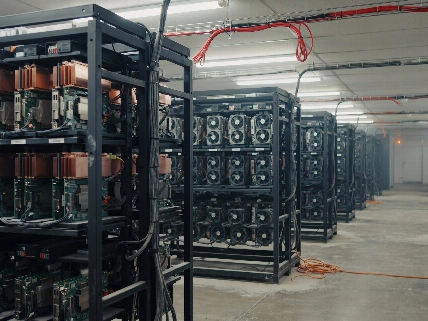
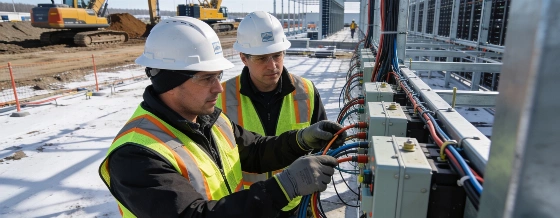
While CleanCore has energized about 20 megawatts of utility power to support an initial 15 MW of critical IT load at the Minnesota site, the company has not disclosed whether the transaction has officially closed or if the first capital installment has been made. The $800 million contract value reflects the estimated revenue over the initial 10-year term with Cerebras, not upfront cash. CleanCore's filings do not clarify whether dilution mechanisms would reduce its percentage interest, economic rights, or both in the joint venture. The full agreement is expected to be disclosed in a future quarterly filing. In addition to the Minnesota project, CleanCore recently announced a separate AI infrastructure venture in West Texas, where it has discretion over up to $100 million in initial cash contributions and aggregate commitments of up to $2 billion, called as needed.
Market Data and Financial Context
As of March 31, CleanCore Solutions reported $4.1 million in cash and cash equivalents and $13 million in restricted cash, with a $169 million accumulated deficit. By June 2, the company had sold approximately 200 million DOGE for $18.4 million and retained 463,060,889 DOGE valued at $44.3 million. The at-the-market equity facility, authorized in June, allows for up to $750 million in common stock sales, but actual proceeds will depend on market conditions and investor demand.
Large-scale infrastructure projects in the AI and blockchain sectors often require significant upfront capital and ongoing funding. Companies with limited cash reserves and volatile crypto assets may face heightened dilution risk if they rely on equity sales to meet capital commitments. For investors and users, the ability of a company like CleanCore to deliver on multi-hundred-million-dollar infrastructure promises depends not only on technical execution but also on access to reliable, non-dilutive funding. As more traditional and crypto-native firms pursue AI and blockchain infrastructure deals, the interplay between treasury management, token sales, and equity dilution will remain a central challenge for both management teams and shareholders.