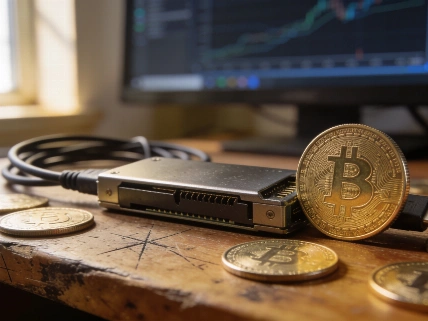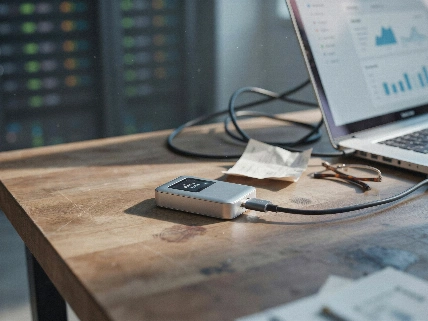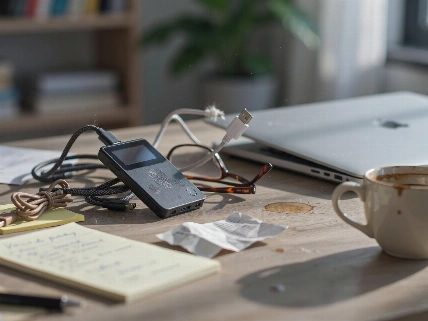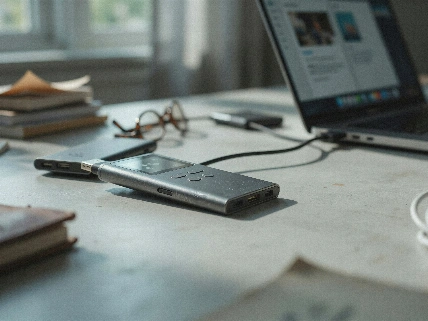
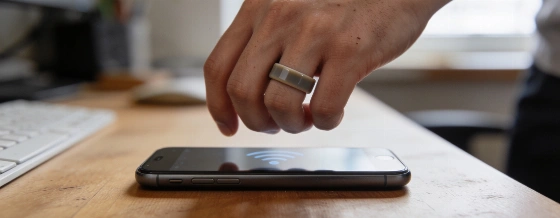
UKey's Seed Ring stores wallet recovery indexes in a battery-free NFC ceramic ring, separating seed backup from transaction signing for self-custody users who want less fragile paper notes
Self-custody puts full responsibility for a wallet's seed phrase on the user. Lose that phrase and the wallet is gone; expose it and funds can be stolen. UKey says many losses still come from weak backups-photos, screenshots, or paper that gets damaged-rather than from sophisticated hacks. The company is positioning Seed Ring, the first product in its Seed series, as a wearable NFC backup meant for daily wear instead of a drawer or safe.
Seed Ring is not a full hardware wallet. According to UKey, it is a ring-form device that holds recovery-related data and pairs with an NFC-capable phone when the user needs to manage wallet restoration. The firm frames the product as a way to make seed backup part of ordinary life while reducing reliance on fragile offline notes.
How Seed Ring Works
UKey describes Seed Ring as a passive NFC accessory with no battery and no always-on radio. The ring only becomes active when held near a compatible phone and otherwise stays offline, which the company says limits remote attack surface. The housing uses high-strength ceramic intended to resist scratches and daily wear while still allowing NFC to function, so the device can be worn rather than locked away.
A central claim is that Seed Ring does not store a complete seed phrase in clear form. UKey says the device keeps indexes, sequence information, and checksum-style data needed for recovery, not the full mnemonic itself. On that basis, the company argues that simple physical loss of the ring would not immediately hand an attacker a usable seed. Users should still treat any recovery device as sensitive and plan redundant backups, because recovery systems remain a single point of failure if mishandled.
Separated Signing and Backup
UKey's broader design approach separates transaction signing from seed backup across different devices. Signing stays on a dedicated signing product, while seed backup lives in the Seed line. The company says concentrating every security function on one gadget raises risk if that device is lost, compromised, or coerced, and that splitting roles lets each product be optimized for a narrower job.
That model differs from many hardware wallets that both hold keys and help users back up a seed on paper or metal. For U.S. self-custody users, the practical question is operational: whether a wearable NFC backup is easier to keep available than steel plates or sealed paper, and whether the recovery workflow with a phone is clear enough under stress. Availability of UKey products to U.S. buyers, app support, and independent security review are not established in the source material and should be verified before relying on any new backup method.
Seed Card and Seed Ti
Seed Ring is only the first item UKey plans in the series. The company also describes Seed Card, a card-format backup meant for a wallet or card holder, and Seed Ti, a titanium unit marketed for resistance to fire, water, and harsh conditions. UKey states that none of these devices stores a full seed phrase in open form, applying the same partial-data approach across the line.
Wearable and portable backups can reduce the chance that a single paper note is destroyed in a flood, fire, or move, but they introduce new failure modes: loss while traveling, social engineering around a visible accessory, or dependence on NFC phone compatibility. Users who already practice multisignature setups, geographically split metal backups, or institutional custody face different trade-offs than beginners who currently keep a single paper phrase at home.
Self-custody recovery remains one of the hardest consumer security problems in crypto because the seed is both the ultimate backup and the ultimate secret. Devices that store only recovery indexes rather than a full mnemonic attempt to shrink the blast radius of physical theft, yet they still require careful enrollment, tested restore procedures, and secondary copies. No form factor-ring, card, titanium plate, or paper-removes the need to practice recovery before funds are at stake, to avoid photographing secrets, and to keep backup locations known to trusted heirs without broadcasting them. For U.S. readers evaluating hardware options, the durable standard is still independent verification of claims, clear offline restore steps, and redundant backups that do not all fail the same way.