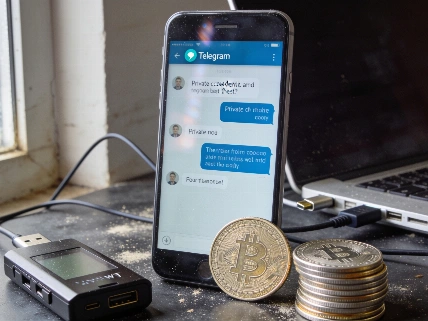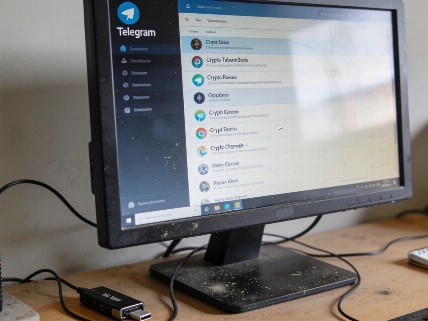
Crypto users hit by Telegram recovery scams face fast-moving threats to their wallets and accounts. Acting in the right order can stop more losses and keep scammers from using leaked codes or private keys.
When a Telegram recovery scam hits, the real trouble often starts after the first loss. Scammers pretend to be support or recovery teams. They push victims to give up login codes, seed phrases, or wallet approvals. Once they get what they want, they switch tactics. They drain what's left or break into more accounts. Getting stolen funds back is rare. The real fight is to shut down every way the scammer can steal more before they use any leftover access.
Act fast and cut contact
The first move is to stop talking to the scammer. Even one more reply can give them a chance to get more info or pressure for more codes or money. Before blocking, close any phishing tabs and save evidence-screenshots, usernames, URLs. But don't risk your safety to do it. Never reopen shady links or ask the scammer for details. That just gives them more ways in.
In September 2024, the Banana Gun Telegram trading bot was compromised, resulting in a $3 million loss for users before the project announced compensation.
After you cut contact, check for unknown active sessions on Telegram and any linked exchanges. End any device sessions you don't recognize. This is key. If you change passwords or 2FA while a hijacked session is still open, the attacker can slip back in. Only after you've ended all suspicious sessions should you change passwords and 2FA for Telegram and exchange accounts.
Code leaks and seed leaks: what's the difference?
Not every leak is the same. If you only gave up a Telegram or SMS login code, the main risk is someone taking over your session and messing with your account settings. Focus on ending all active sessions, changing passwords, and making 2FA stronger. Also check for any withdrawals you didn't make, new API keys, or changes to withdrawal whitelists on exchanges. If you leaked a seed phrase or private key, things are worse. The wallet's root key is out. Move any assets to a new wallet right away. Never reuse the old seed. Revoke all on-chain approvals or allowances from the compromised address.
Scammers often push victims to send funds to a so-called "safe address" or pay extra fees to unlock assets. These are classic advance-fee scams that only make things worse. No real recovery service will ever ask for a seed phrase, login code, or payment through Telegram direct message. Official channels like the Internet Crime Complaint Center (IC3) and the Federal Trade Commission's ReportFraud portal never reach out for money or offer to recover crypto through Telegram.
Official support teams for Wallet in Telegram (now Walt) emphasize that they never request seed phrases, private keys, or incoming codes, and only respond to user-initiated queries. In 2026, the platform rebranded to Walt, assuring users that no new account setup or asset migration was required.
Save evidence and report the scam
Once accounts and wallets are safe, focus on saving evidence for reports. Keep chat logs with timestamps, transaction hashes, receiving addresses, and screenshots of phishing domains or scam messages. Store this info securely. Never paste a full seed phrase or private key into a support ticket. On-chain proof comes from transaction hashes, not from sharing sensitive keys.
File reports through public, trusted portals. IC3 and the FTC's ReportFraud.ftc.gov are the main U.S. sites for fraud and cybercrime complaints. Use Telegram's in-app support and help centers for exchanges or wallets for platform-specific problems. Stay away from any "recovery group" or private chat that asks for fees or more info. These are often just more scams aimed at people already hit once.
Common mistakes and what can't be fixed
Many users make things worse by talking to scammers, sending coins to "safe addresses," or paying fake recovery agents. Changing passwords before ending all active sessions leaves accounts open. Putting more funds into a wallet after a seed leak ignores the fact that the wallet is lost for good. Pasting a full seed phrase into a support ticket only creates new risks. Joining "victim recovery" groups often leads to more fraud.
On-chain transfers, once confirmed, can't be reversed. Whether a centralized exchange can freeze withdrawals or help with an investigation depends on the account, the rules, and how fast you act. The main goal is to stop more losses, save evidence, and use only official reporting channels. Any Telegram contact promising to get your funds back or asking for upfront fees is just another scam.
The Federal Trade Commission says crypto scams-including fake support and recovery pitches-are still a big source of consumer losses. In 2023, the FTC said U.S. consumers lost over $1 billion to crypto scams. Social media and messaging apps played a big part in many cases. Not all losses can be recovered, but acting fast and reporting can limit the damage and help enforcement efforts.
Telegram recovery scams feed on the panic and confusion after a crypto loss. They prey on hope. The only real defense is to act step by step: cut off all contact, lock down accounts and wallets, save proof, and report only through official channels. The scam cycle ends when victims stop trusting private chat promises and stick to real support paths. For U.S. crypto users, staying alert and skeptical is still the best way to fight new scam tricks.
Seed phrases and private keys are the backbone of self-custody in crypto. Unlike passwords, a seed phrase gives full control over a wallet's assets. If it leaks, there's no way to "reset" or "invalidate" it-control is gone for good. That's why secure storage and strict privacy matter so much. Sharing a seed phrase, even with someone claiming to be support, puts all wallet funds at risk. Never enter a seed phrase on a website, share it in a chat, or upload it as evidence. If you think a seed phrase leaked, move assets to a new wallet and never use the old seed again.