Crypto users who turn to Telegram for updates and support are running into a surge of impersonation scams. Now, checking official channels means matching usernames exactly and sticking to safe entry points to avoid phishing and stolen credentials.
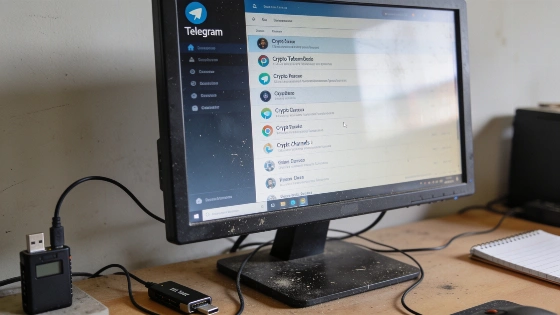
One wrong click or a single typo in a Telegram username can cost you your crypto. Telegram has become the main place for project news, airdrop alerts, and support. Scammers know this. They set up fake channels and send out support DMs that look almost real. The result is a steady rise in phishing, leaked credentials, and drained wallets. These scams feed on Telegram's open setup and the trust users put in "official" groups.
Impersonation tactics and entry point risks
Impersonators don't need brute force. They wait for small mistakes-an extra underscore in a username, a short link in a DM, or a "support" avatar that's just close enough to the real thing. Telegram's search and forwarding tools help fake channels rack up thousands of followers. But a big follower count means nothing. The only safe way in is through a Telegram link posted right on a project's official website or app-store page. Anything else-search ads, pinned comments, or forwarded DMs-should be treated as suspicious until you can prove otherwise.
In a recent case, a Telegram scammer impersonating Coinbase support stole $16 million in crypto by luring victims into transferring assets to fraudulent wallets.
Verification isn't about screenshots or display names. It's about checking the @username and t.me link, letter for letter, against what the brand posts publicly. Even one swapped letter or extra digit is a warning sign. Telegram's own FAQ spells it out: support is only available in-app through Settings > Ask a question. The company does not run support accounts on other social platforms.
Spotting fake support and phishing links
Scammers usually make the first move. They create urgency and keep the chat private, where they control everything. They might say they're staff from a crypto exchange or wallet provider, but their real aim is to get your login codes, seed phrases, or push you to phishing links dressed up as "ticket" or "compensation" forms. If anyone asks for sensitive info-especially codes or wallet details-treat it as a red flag.
Phishing links often hide behind short URLs or domains that look almost right. Clicking them can lead to stolen credentials, malicious approvals, or hijacked sessions. If you open a shady link or share a code, stop all contact right away. Save evidence, then move fast to protect your account: change credentials and check wallet permissions.
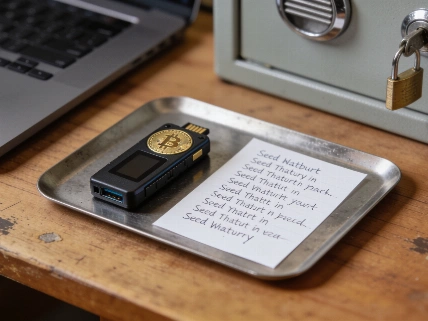
Legitimate crypto teams and wallet providers will never ask for your seed phrase, recovery phrase, or login codes in private messages. Any unsolicited contact from 'support' should be treated as a phishing attempt.
Checklist for verifying official channels
If you're sorting through Telegram's maze of crypto channels, you need a clear checklist. Start from a website or real app you open yourself-never from a DM or search. Check that the @username and t.me path match the official disclosure exactly. If someone else starts the chat and pushes a deadline, it's likely fake support. Any request for login codes, seed phrases, or remote access is a reason to stop and report. Never open "ticket" or "verify" links that only show up in private chats. Real support tickets go through the brand's official help center.
Report suspicious accounts using Telegram's built-in tools or the brand's public help center-not through bots or links the other party sends. For scams that cross borders, you can file reports with agencies like IC3 or the FTC's ReportFraud portal. Keep evidence-screenshots of usernames and message times-to help with investigations and cut down on further losses.
Market impact and security data
Telegram doesn't release official numbers on crypto impersonation scams. But security firms have tracked a steady rise in phishing tied to fake support channels and credential-harvesting DMs. As detailed in a previous investigation, regulators are watching token security risks more closely as scams spread across messaging apps. Without built-in verification for crypto project channels, users face new attack methods. That's why exact-match checks and strict entry discipline are now key to keeping assets safe.
Telegram is now the main communication tool for crypto projects. This draws both real communities and skilled scammers. The open group setup and easy-to-copy usernames mean even experienced users can get fooled if they skip basic checks. As phishing gets more advanced, users have to be strict about how they join channels and treat any DM with caution. The only real defense is zero trust: check every channel at the source, never share codes, and report issues through official, independent channels. Anything less leaves the door open for attackers.
Anyone can make a public or private channel on Telegram. But there's no universal verification for crypto projects, so users have to check details outside the app. Even a verification badge is just a clue-not proof-unless the brand explains it and the username matches exactly. The risk is real: phishing campaigns have drained wallets and taken over accounts by abusing trust in "official" Telegram groups. As crypto grows up, users will need to stick to strict verification and keep records when reporting scams.
Phishing and impersonation on Telegram show a bigger problem in crypto security: the struggle between open chat and user safety. Unlike banks or traditional finance, where support is tightly managed, Telegram's open setup puts the burden on users to spot real support from fakes. This gives scammers room to use social engineering, especially as they get better at copying real project staff and creating urgency. For U.S. users, the fallout can be harsh-lost funds are rarely recovered, and regulators can only do so much. The takeaway is simple: in crypto, trust comes from verification, not looks.