Kalshi and Polymarket both offer event-based trading, but their regulatory status, fee models, and market coverage differ sharply. U.S. users face distinct access rules, while international traders see broader options and crypto-native settlement.
Prediction markets have evolved into a complex landscape where regulatory clarity, funding methods, and market breadth can determine which platform fits a user's needs. Kalshi and Polymarket are two of the most prominent names in this space, but their approaches diverge sharply-especially for U.S. residents navigating federal and state rules.
Regulation and Platform Structure
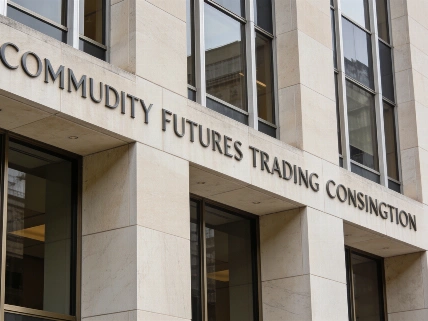
Kalshi operates as a Commodity Futures Trading Commission (CFTC)-regulated Designated Contract Market (DCM), offering event contracts that resemble traditional exchange products. Polymarket, by contrast, splits its offering: Polymarket US is a CFTC-regulated DCM for eligible U.S. users, while Polymarket.com is a separate international platform built on blockchain infrastructure and USDC settlement. The two Polymarket products are not interchangeable, and U.S. residents are barred from using the international site.
This distinction is not just technical. While both Kalshi and Polymarket US must comply with federal derivatives rules and enforce strict identity verification, state-level gambling laws continue to create legal uncertainty-especially for sports-related contracts. In 2026, the CFTC was involved in litigation with several states over whether federal oversight preempts state gaming laws, highlighting the unsettled regulatory environment for event-based trading in the U.S.
Market Coverage and User Experience
Kalshi's regulated structure means its markets are concentrated in areas with objectively verifiable outcomes, such as U.S. economic indicators, Federal Reserve decisions, major elections, weather events, and select sports. Its interface is designed to feel familiar to users of financial exchanges, with order books and the ability to enter or exit positions before settlement. Funding options have expanded to include ACH, debit cards, PayPal, Venmo, Cash App, wire transfers, and crypto, though availability varies by jurisdiction.
Polymarket.com, the international product, is crypto-native and relies on USDC for trading and settlement. It covers a much broader range of topics, including global politics, crypto prices, technology, culture, and fast-moving internet trends. Users connect via Web3 wallets, and all trades settle on-chain. This model appeals to traders seeking rapid market creation and a wider selection of event contracts, but it is not available to U.S. users. Polymarket US, meanwhile, offers a regulated experience for Americans but with a narrower market selection and more conventional funding methods.
Fees, Liquidity, and Settlement
Neither Kalshi nor Polymarket offers a universally cheaper fee structure. Kalshi's fees depend on the contract and funding method, with no membership or settlement fees but potential charges for card deposits and wire transfers. Polymarket introduced a probability-dependent taker fee in 2026, where the cost varies by contract price and market category. Some categories, such as geopolitics, may remain fee-free, and makers generally pay no trading fee. For both platforms, the true cost of trading includes not just posted fees but also bid-ask spreads, liquidity, and slippage-especially in thinner markets.
Settlement mechanisms also differ. Kalshi specifies authoritative sources for each contract, such as government statistics or certified election results, and publishes detailed rules in advance. Polymarket.com uses UMA's oracle infrastructure, with a challenge period and potential escalation to tokenholder voting if disputes arise. This process is designed to provide transparency but introduces additional complexity for users unfamiliar with on-chain dispute resolution.
Access, Safety, and Practical Considerations
For U.S. residents, the choice is primarily between Kalshi and Polymarket US, as Polymarket.com blocks U.S. access. International users eligible for Polymarket.com can access a broader range of markets and crypto-native settlement, but must be comfortable with wallet-based access and on-chain infrastructure. Both platforms require users to weigh binary loss risk, liquidity risk, resolution risk, news-driven volatility, and ongoing regulatory uncertainty. Event contracts can become worthless if the outcome settles against a trader's position, and thin liquidity can make it difficult to exit at a favorable price.
As with any event-based trading, users should compare not just fees and market selection but also liquidity, settlement rules, and geographic eligibility. For those interested in how yield mechanics differ across crypto products, EgonCoin has previously explained how APR and realized returns can diverge depending on product structure and compounding.
According to public documentation, as of August 2026, Kalshi and Polymarket US both operate under CFTC oversight, while Polymarket.com remains unregulated in the U.S. and blocks American users. Kalshi's market coverage is strongest in regulated U.S. event categories, while Polymarket.com leads in international politics, crypto, and culture. Fee schedules and liquidity conditions are subject to change, so traders should review current terms before entering any position.
Prediction markets like Kalshi and Polymarket offer a distinct way to trade on real-world events, but the regulatory, technical, and practical differences between platforms are substantial. For U.S. users, access is tightly controlled and subject to ongoing legal disputes, while international users may find broader opportunities but must navigate crypto-native infrastructure and settlement risks.
Event contracts differ fundamentally from spot or derivatives trading. Instead of speculating on the price of an asset, traders are taking positions on whether a specific event will occur by a set date. This structure introduces unique risks and requires careful attention to contract wording, settlement sources, and platform rules. As the regulatory landscape continues to evolve, users should remain alert to changes in access, fees, and legal status for any prediction market platform they consider.