The CLARITY Act's path to becoming law before the midterms looks increasingly unlikely, with industry leaders and prediction markets signaling low confidence as regulatory agencies consider acting independently.
The CLARITY Act, a major piece of proposed U.S. crypto legislation, is facing mounting skepticism about its chances of passing before the upcoming midterm elections. Industry leaders and market observers point to a crowded field of competing interests and procedural hurdles that have left the bill stalled in Congress, with little sign of momentum as lawmakers enter the final stretch of the legislative session.
Low Expectations in Washington
Miller Whitehouse-Levine, CEO of the Solana Policy Institute, told attendees at the Wyoming Blockchain Symposium 2026 that he now assigns just a 10% probability to the CLARITY Act becoming law before the midterms. He cited the bill's current status in "August recess purgatory" and warned that the legislative calendar is working against any last-minute breakthroughs. The next key milestone, a cloture vote scheduled for September 15, would only be the first in a series of procedural steps required for passage. Whitehouse-Levine described his outlook as "hopeful, but realistic," noting that the bill's complexity and the number of stakeholders involved have made negotiations especially challenging this year.
Prediction Markets Reflect Doubt
Market-based forecasts echo this skepticism. On Polymarket, traders currently assign a 21% chance that the CLARITY Act will be signed into law by the end of 2026, with over $7 million in trading volume reflecting broad uncertainty. Kalshi, another prediction market, shows similar sentiment, with odds recently dropping to 23%-down sharply from 50% just a month ago. The bill's progress has been complicated by the involvement of banks, securities firms, and derivatives companies, each lobbying for changes to provisions that could affect their business models. Political dynamics have also shifted, with former President Trump's engagement in crypto policy adding new pressure on Democratic lawmakers.
Regulatory Action Gains Urgency
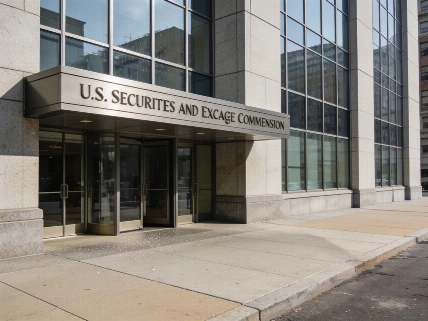
With legislative prospects dimming, some industry advocates are urging federal regulators to move forward on digital asset rules without waiting for Congress. Whitehouse-Levine argued that the opportunity cost of a failed bill is significant, given the extensive time and resources already invested by Congressional staff. He pointed to the Securities and Exchange Commission's recent proposal for "Regulation Crypto Assets," which would create exemptions for certain digital assets from registration requirements, as an example of how agencies might fill the policy vacuum. The Solana Policy Institute is now prioritizing regulatory pathways for token fundraising and on-chain securities and derivatives trading, signaling a shift in strategy as confidence in Congressional action wanes.
Industry Stakeholders and Opportunity Cost
The CLARITY Act is the sixth major attempt at comprehensive crypto market structure legislation in the U.S., but this round has drawn more active opposition from traditional financial institutions than previous efforts. Banks have pushed back on stablecoin yield provisions, while securities and derivatives firms are focused on clauses that could reshape their regulatory obligations. The growing number of stakeholders has made consensus elusive, with each group seeking to protect its interests. As the bill's fate remains uncertain, industry participants are increasingly looking to regulatory agencies for clarity on digital asset rules. For context, crypto companies seeking to operate under federal charters must already navigate complex regulatory requirements, as detailed in EgonCoin's analysis of the process for obtaining an OCC national trust bank charter.
According to data from Polymarket and Kalshi, the probability of the CLARITY Act passing before the end of 2026 remains below 25%, with trading volumes exceeding $7 million on Polymarket as of August 2026. These figures highlight persistent market skepticism and reflect the broader uncertainty surrounding U.S. crypto regulation.
Comprehensive crypto legislation in the U.S. often faces a unique set of challenges compared to other financial reforms. The intersection of banking, securities, and derivatives regulation means that any bill must navigate overlapping-and sometimes conflicting-regulatory frameworks. As more traditional financial institutions engage with digital assets, their lobbying power can slow or reshape legislative efforts. This dynamic often leads to regulatory agencies stepping in to provide interim guidance or rulemaking, which can create a patchwork of standards until Congress acts. For crypto companies and users, this uncertainty can affect everything from product launches to compliance strategies and market participation.