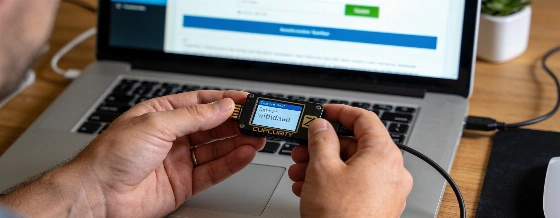
Exchange shutdowns and withdrawal freezes can put user funds at risk. Learn the practical steps to verify exchange legitimacy, test withdrawals, secure your account, and prepare for potential platform wind-downs before leaving large balances on any crypto exchange
Cryptocurrency exchanges remain a primary gateway for buying, selling, and holding digital assets, but recent shutdowns and regulatory actions have highlighted the risks of leaving significant funds on centralized platforms. For U.S. users and global traders alike, evaluating the safety of a crypto exchange requires more than checking trading volume or brand reputation. Instead, a systematic approach-covering legal entity verification, withdrawal testing, account security, and exit planning-can help reduce exposure to custody failures and operational surprises.
Legal Entity and Compliance Checks
The first step in assessing an exchange's safety is confirming its legal identity and regulatory disclosures. Reliable exchanges publish their operating entity name, registration details, and contact information on official websites and in public announcements. Cross-referencing these details with regulatory filings or news reports can help users avoid phishing sites and copycat platforms. For example, when BitMEX announced its planned shutdown for September 23, 2026, it identified HDR Global Trading as its owner and operator, providing a clear reference point for users to verify communications and avoid scams. Regulatory history, such as enforcement actions or compliance settlements, may offer additional context but does not guarantee current solvency or operational integrity.
In the U.S., centralized exchanges (CEXs) that serve retail customers typically register as Money Services Businesses with the Financial Crimes Enforcement Network (FinCEN) and implement know-your-customer (KYC) procedures. However, registration alone does not ensure user funds are protected in the event of insolvency or business closure. Users should review the exchange's terms of service, fee schedules, and withdrawal policies, noting that protections and requirements may vary by jurisdiction and product type.
Testing Withdrawals and Custody Arrangements
Verifying that an exchange can process withdrawals to a self-custody wallet is a critical safety check. Before depositing substantial funds, users should conduct a small test: deposit a modest amount, withdraw it to an external wallet they control, and confirm the transaction on a blockchain explorer. This process helps ensure that the exchange's withdrawal systems are functional and that users retain the ability to move assets off-platform. Long withdrawal delays, unexplained maintenance, or requests for sensitive recovery information are warning signs that merit caution or immediate withdrawal of funds.
Most reputable exchanges keep the majority of user assets in cold storage, reducing the risk of large-scale theft but potentially slowing withdrawals during periods of high demand or operational stress. Insurance coverage for certain losses may be disclosed, but such policies often have strict limitations and may not cover all user assets. Users should also pay close attention to network selection and required tags or memos when withdrawing assets, as mistakes can result in lost funds that are not recoverable by the exchange.
Account Security and Withdrawal Controls
Even if an exchange is operationally sound, weak account security can expose users to theft or unauthorized withdrawals. Enabling two-factor authentication (2FA), setting up withdrawal address allowlists, and monitoring login and withdrawal alerts are baseline protections. For active traders, keeping only a limited balance on the exchange and storing the remainder in a hardware or software wallet under their control can further reduce risk. App-based or hardware 2FA is generally more secure than SMS-based methods, but users should remain vigilant against phishing attempts, especially during periods of platform transition or shutdown.
API permissions should be reviewed regularly, with withdrawal capabilities disabled unless strictly necessary. No legitimate exchange will ever request a user's seed phrase or private key; any such request is a strong indicator of a phishing attempt. Good password hygiene, device security, and regular review of account recovery settings are essential for maintaining control over exchange accounts.
Preparing for Shutdowns and Withdrawal Deadlines
Exchange shutdowns, whether planned or abrupt, can leave users scrambling to recover their assets. Public announcements-such as BitMEX's notice of closure-typically include a timeline for winding down operations, halting new registrations, and imposing withdrawal deadlines or late fees. Users should monitor official communication channels, avoid making new deposits after a shutdown notice, and prioritize withdrawing funds before deadlines to avoid additional fees or complications. Keeping records of withdrawal transactions and verifying on-chain receipt can provide evidence in the event of disputes or delayed processing.
Some exchanges may allow limited withdrawals or account access after closure, often with additional fees or requirements for identity verification. Users who miss withdrawal windows may face monthly account charges or risk losing access to their funds altogether. Phishing attempts often increase during shutdown periods, so users should rely on bookmarked official sites and avoid clicking on links in unsolicited emails or messages.
Common Pitfalls and Practical Safeguards
Many users mistakenly equate high trading volume or brand recognition with safety, overlooking the importance of legal entity checks and withdrawal testing. Skipping a test withdrawal, using the wrong network or missing required tags, or opening new positions after a shutdown notice can all result in avoidable losses. Treating "withdrawable" balances in the user interface as proof of solvency is risky; only a successful on-chain withdrawal to a wallet you control provides practical assurance that assets are accessible.
According to Channel NewsAsia, BitMEX's closure plan includes a final withdrawal deadline of September 23, 2026, at 04:00 UTC, after which users may incur a monthly account fee of $50 or 1% per annum, whichever is greater. The exchange stopped accepting new registrations immediately upon announcing the shutdown. These details underscore the importance of reading official notices carefully and acting promptly when a platform announces operational changes.
Data from The Block Research shows that, as of June 2026, the top five centralized exchanges collectively held over $80 billion in user assets, with daily spot trading volumes exceeding $30 billion. Despite these figures, several exchanges have experienced withdrawal freezes, regulatory actions, or wind-downs in the past two years, highlighting the ongoing custody and counterparty risks for users who leave large balances on custodial platforms.
Custody risk is a defining feature of centralized exchanges. Unlike self-custody wallets, where users control their private keys, assets held on an exchange are subject to the platform's operational, legal, and security environment. Even regulated exchanges are not immune to business failures, regulatory enforcement, or technical outages. For users, the safest approach is to treat exchange accounts as transactional tools rather than long-term storage, regularly test withdrawals, and maintain an actionable exit plan in case of sudden changes to platform operations or policies.