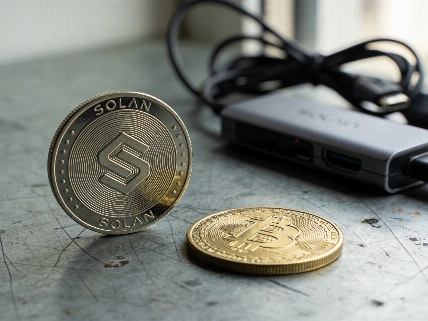

Embercurve lets users launch and trade tokens on Solana using dynamic bonding curves, pairing new assets with SOL, USDC, or tokenized stocks while routing trading fees to holders, burns, or project teams through its EMBER token.
Embercurve is changing how tokens launch on Solana by offering a permissionless platform where anyone can create and trade new tokens using dynamic bonding curves. The main idea is to make token launches easier, allow early trading with automated pricing, and give creators control over where trading fees go. Embercurve supports pairings with SOL, USDC, and even tokenized stocks, but the system comes with its own set of trade-offs for both creators and traders.
Bonding curves and token pairing
The platform is built on Meteora Dynamic Bonding Curve (DBC) infrastructure, which sets token prices based on supply and demand as users buy or sell. Instead of a fixed price or a traditional liquidity pool, the bonding curve updates prices in real time, so even small trades can move the market, especially when liquidity is low. Embercurve lets new tokens pair not just with SOL or USDC, but also with certain tokenized stocks and ecosystem assets, expanding the options beyond what most launchpads offer.
Token creators set the name, symbol, metadata, quote asset, and curve parameters before launch. Once live, the token trades in a bonding-curve market, where price depends directly on trading activity and liquidity. If the market hits a certain threshold-like a set amount of liquidity or trading volume-it can "graduate" to a different pool structure, usually a DAMM pool, which may offer deeper liquidity or different trading rules. Graduation, however, does not guarantee price stability or ongoing liquidity.
"Embercurve's EMBER token is already tracked on major aggregators, with a price range of $0.012-$0.015 and daily trading volumes reaching up to $8 million, highlighting both active participation and high volatility."
- EgonCoin Media Analyst
Fee routing and EMBER token utility
Embercurve's fee system is closely tied to its native EMBER token. Trading taxes-fees on each buy or sell-can be sent to holders, burned, distributed through a lottery module called Ember Wheel, or given to project teams, depending on how the launch is set up. EMBER holders might qualify for periodic draws or take part in on-chain governance, but the details can change over time as allocation rates and governance rules are updated. The platform also has a Council governance module, but its authority depends on contract and voting settings.
For users, holding EMBER could mean access to fee distributions or governance rights, but the actual value depends on trading activity, module settings, and how the contracts evolve. The documentation urges users to check contract addresses, supply, and distribution details using Solana block explorers and official sources, since third-party aggregators may not always show the latest on-chain data.
"Embercurve is built on Meteora's Dynamic Bonding Curve, a fully customizable token launch mechanism where developers set the curve shape, fee structure, quote asset, and migration threshold to DAMM v2 liquidity. This technical foundation enables flexible market creation and supports the pairing of tokens with both crypto and tokenized stocks."
- Solana Hackathons, Protocol Documentation (source)
Risks and verification challenges
Embercurve's open approach makes it easier to launch tokens, but it also brings risks. Smart-contract bugs, thin liquidity, volatile curve pricing, and the chance of misleading or fake tokens are all concerns. The option to pair with tokenized stocks adds another layer: ticker-like symbols do not guarantee a token is backed by a real stock, so users need to check the issuer, price feed, redemption process, and legal status themselves.
Trading taxes, set by the creator or governance, affect the cost of entering or leaving a market. High or changing taxes can eat into returns or discourage trading. Solana transactions are irreversible, so picking the wrong mint address or interacting with a malicious contract can mean permanent loss. The platform recommends a careful process: confirm token and quote-asset mints, check curve progress and graduation conditions, compare market data with Solana explorer records, and review liquidity, fee routing, and permissions before trading.
Comparisons and market context
Embercurve differs from most token launchpads by combining bonding-curve pricing, a wide range of quote assets, and dynamic fee routing in one system. While most launchpads stick to native tokens or stablecoins, Embercurve's support for tokenized stocks and meme assets brings new market structures and risks. The approach is similar in some ways to other Solana projects, like the STONK token model, but Embercurve focuses on permissionless creation and automated fee distribution.
The Embercurve website offers public API endpoints for market and pool data, including price, market cap, trading volume, fees, and module state. These tools help users screen and cross-check markets, but they don't replace independent contract review or due diligence. The documentation repeatedly warns that a market listing does not verify a token's utility, team, audit status, or liquidity-each token may be created by an independent issuer with different levels of transparency and risk.
Embercurve's combination of token creation, curve trading, asset pairing, and fee modules makes things easier for creators and early traders, but it also puts more responsibility on users to audit contracts and verify assets. The platform's flexibility allows for rapid experimentation and diverse markets, but it also exposes participants to the full range of permissionless-market risks. For U.S. users and investors, the lack of standardized verification and the presence of tokenized-stock pairings raise questions about regulation, asset backing, and consumer protection. In this environment, users must do their own due diligence, and the platform's transparency tools are only as useful as the effort put into using them.
On-chain data from Solana block explorers can be used to check token mints, contract addresses, and transaction histories for Embercurve markets. The documentation stresses the need to check buy and sell tax rates, fee recipient addresses, and liquidity depth before getting involved. As of the latest data, Embercurve supports pairings with SOL, USDC, and a range of tokenized stocks and meme assets, but liquidity and trading activity vary widely depending on how each market is set up and user demand.
Bonding curves are a type of automated market maker (AMM) that set token prices algorithmically based on supply and demand, instead of using order books or fixed prices. In a bonding-curve market, every buy or sell moves the price along a set curve, which can cause rapid price swings in thin markets or when curve settings are aggressive. This model can help with early price discovery and liquidity, but it also increases volatility and exposes users to slippage and execution risk. For token creators, bonding curves offer a way to bootstrap liquidity and automate pricing, but they don't remove the need for careful contract design, transparent asset backing, and ongoing market monitoring.