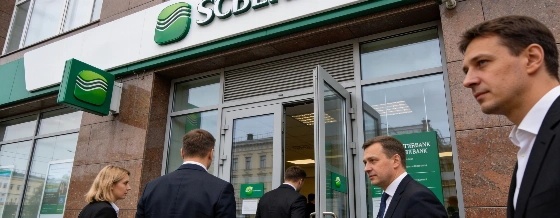
Sberbank, Russia's largest bank, is developing a regulated crypto trading and custody platform set to go live by December 2026, as new Russian rules restrict public trading and require licensed intermediaries for most digital asset transactions.
Sberbank, the largest bank in Russia by assets, is preparing to launch a regulated cryptocurrency trading platform and digital asset depository by December 1, 2026. The move comes as Russia finalizes a new legal framework that will require most crypto trading, custody, and settlement to occur within the country's regulated financial system. Sberbank's planned infrastructure aims to provide compliant access to digital assets for Russian clients, while aligning with upcoming restrictions on public crypto trading.
According to details reported by Interfax, Sberbank's digital depository will maintain records of client cryptocurrency ownership and process most transactions off the main blockchain. The bank intends to operate active wallets for clients, handling deposits, withdrawals, and transfers within its regulated environment. Alexander Vedyakhin, first deputy chairman of Sberbank's management board, has stated that the depository will be responsible for tracking client crypto rights and executing wallet transfers on request.
Regulatory Shift
The initiative follows the Russian Federation Council's approval of new rules for digital asset trading, which will take effect on September 1, 2026. Under the new framework, only licensed brokers, exchanges, asset managers, and depositories will be permitted to facilitate crypto transactions. Starting in July 2027, all trades must pass through these licensed intermediaries, and public trading will be limited to cryptocurrencies that meet strict liquidity and market capitalization thresholds set by the Bank of Russia. For a token to qualify, it must have an average market cap above 5 trillion rubles (about $64 billion) and an average daily trading volume above 1 trillion rubles (about $12.8 billion) over a two-year period. Qualified investors will have access to a broader range of assets, but retail access will remain tightly controlled. Crypto payments for goods and services within Russia will continue to be prohibited.
Sberbank's gradual entry into the crypto sector has included offering Bitcoin-linked bonds to qualified investors and piloting Bitcoin-backed lending with mining firm Intelion Data. Recent regulatory changes have legalized crypto mining in Russia and established a test regime for cross-border crypto settlements. In 2025, the Bank of Russia allowed qualified investors to purchase crypto-linked products and later proposed a retail purchase cap of 300,000 rubles (about $3,800) per year per intermediary.
International Pressure and Market Impact
Russia's push to bring crypto trading under domestic regulatory control comes as Western governments increase pressure on digital asset platforms linked to Russia and Belarus. On July 23, 2026, the European Council added the exchange HTX (formerly Huobi Global) to its list of entities subject to restrictive measures, citing concerns that certain platforms undermine sanctions. The same day, the EU barred Belarusian nationals from owning or operating crypto exchanges, and the UK imposed similar restrictions on HTX in May 2026. These developments highlight the growing fragmentation of global crypto markets along regulatory and geopolitical lines.
For U.S. readers, Russia's evolving crypto regulations may affect cross-border flows, liquidity, and the ability of international exchanges to serve Russian clients. The new rules could also influence how global banks, custodians, and infrastructure providers approach compliance and risk management when dealing with Russian digital asset activity. Sberbank's platform is not expected to be available to U.S. users, and U.S. sanctions and export controls continue to restrict many forms of crypto business with Russian entities.
Market Data and Regulatory Timeline
As of July 2026, Russia's new crypto trading rules are scheduled to take effect on September 1, 2026, with mandatory use of licensed intermediaries for all trades beginning in July 2027. The Bank of Russia's liquidity requirements for public trading are set at an average market capitalization above 5 trillion rubles (approximately $64 billion) and an average daily trading volume above 1 trillion rubles (approximately $12.8 billion) over two years. Retail investors will face an annual purchase cap of 300,000 rubles (about $3,800) per intermediary, according to the Bank of Russia's 2025 proposal. Sberbank's digital depository and trading infrastructure are expected to launch by December 1, 2026, in line with the new regulatory framework.
Russia's approach to digital asset regulation reflects a broader trend among major economies to bring crypto trading, custody, and settlement under national oversight. By requiring licensed intermediaries and restricting public access to only the largest, most liquid cryptocurrencies, Russian authorities aim to limit risks associated with unregulated trading and cross-border capital movement. For users and investors, these changes may reduce the range of available assets and increase reliance on regulated platforms, while also raising questions about privacy, custody, and the future of decentralized access to digital assets.