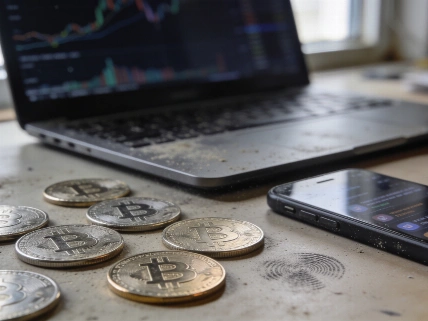

Crypto traders are abandoning meme coins in favor of prediction markets, driving record revenue for platforms like Robinhood and Polymarket as speculative bets on sports, politics, and crypto assets surge in 2026
The speculative landscape in cryptocurrency is undergoing a major shift in 2026 as meme coins lose their appeal and prediction markets capture the attention-and capital-of traders seeking new opportunities. Once a dominant force in retail speculation, meme coins have seen a sharp decline in both price and trading activity, prompting many investors to look elsewhere for high-risk, high-reward bets.
From Meme Coins to Prediction Markets
Throughout the first half of 2026, meme coins have faded from the spotlight. Their volatility and lack of underlying fundamentals have left many holders with losses, and the speculative energy that once fueled tokens like Dogecoin has migrated to a different arena: online prediction markets. These platforms allow users to place binary bets-typically "yes" or "no" contracts-on the outcome of events ranging from cryptocurrency price milestones to sports results and political elections. The appeal is clear: in a market where token prices are stagnant or falling, prediction markets offer a way to seek returns by wagering on real-world outcomes.
Platforms See Record Revenue
Major trading platforms are reporting a surge in prediction market activity. According to company filings, Robinhood Markets generated $156 million in revenue from prediction market trading in the second quarter of 2026, surpassing both equity trading ($129 million) and crypto trading ($100 million) for the same period. While not all of this revenue is tied directly to crypto-related bets, the lion's share comes from high-profile events such as the 2026 FIFA World Cup and the upcoming U.S. midterm elections. Other platforms, including Kalshi and Polymarket, are also seeing record trading volumes as new users flock to these markets.
Risk and Reward Calculus
Prediction markets can offer outsized returns compared to traditional crypto trading, but the risks are substantial. For example, a contract on Kalshi asking whether Bitcoin will exceed $100,000 in 2026 recently traded at $0.10 per "yes" share. A $100 bet could return $1,000 if the outcome is realized, representing a potential 10x gain. By contrast, buying $100 worth of Bitcoin at current prices would yield a much smaller return if the price target is reached. Yet the low contract price reflects the market's skepticism: the implied probability of Bitcoin hitting that milestone is just 10%. If the event does not occur, the entire wager is lost. This dynamic highlights the speculative nature of prediction markets, where the potential for large gains is balanced by a high likelihood of total loss.
Market Context and Broader Implications
The migration of speculative capital from meme coins to prediction markets is part of a broader trend in crypto, where traders continually seek new vehicles for risk and reward. This shift comes as overall crypto market liquidity faces pressure from macroeconomic factors, including U.S. Treasury reserve changes that have previously raised concerns about Bitcoin's liquidity, as discussed in EgonCoin's coverage of U.S. reserve impacts on Bitcoin markets. As prediction markets grow, questions remain about their long-term sustainability, regulatory treatment, and the potential for manipulation or abuse, especially as more mainstream platforms enter the space.
Robinhood's Q2 2026 earnings report illustrates the scale of this shift: prediction market revenue outpaced both equities and crypto trading, with $156 million generated from prediction contracts. This figure includes bets on sports and politics, not just crypto, but underscores the growing appetite for event-driven speculation. Platforms like Polymarket and Kalshi have also reported record user growth and trading volume, reflecting a broader migration of speculative activity away from meme coins and into prediction markets.
Prediction markets operate by allowing users to buy and sell shares in the outcome of future events, with prices reflecting the market's collective probability estimate. While these platforms can provide insight into public sentiment and expectations, they also carry significant risks. Users can lose their entire investment if their prediction is incorrect, and the regulatory status of such markets remains unsettled in many jurisdictions. As more capital flows into these platforms, both users and regulators will need to grapple with questions of fairness, transparency, and consumer protection.
Prediction markets are not new, but their integration into mainstream trading platforms and their growing role in the crypto ecosystem mark a significant evolution in how retail traders approach speculation. As meme coins recede, the appetite for high-risk, event-driven bets remains strong-just in a new form that brings its own set of challenges and opportunities.
Prediction markets differ from traditional crypto trading in that they are structured around binary outcomes rather than token price appreciation. This means that users are betting on whether a specific event will occur by a certain date, rather than simply hoping for a token's price to rise. The risk profile is distinct: while the potential returns can be much higher, the probability of loss is also greater, especially when the market consensus is skeptical. For U.S. users, the regulatory environment for prediction markets is still evolving, and access may be restricted depending on the platform and the type of event being wagered on. As with all speculative products, users should carefully consider their risk tolerance and the possibility of losing their entire investment before participating.