
Prediction markets are breaking out of niche circles. Platforms like Novig and Kalshi are using celebrity faces and sports branding to pull in new users. But trading on opinions carries risks that flashy marketing can't hide.
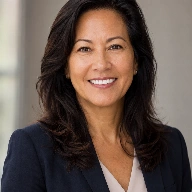
Prediction markets are moving out of the shadows. Novig has brought on actress Sydney Sweeney as a partner and equity holder. The company is betting that regular sports fans will start trading contracts tied to game results, player stats, and more. The "Just Sports" campaign, which launched September 9, aims to make prediction trading feel as normal as checking scores or fantasy teams. The difference: now, opinions can be bought and sold for real money.
Trading on opinion
Prediction markets let users buy contracts that pay out if a certain event happens. In a basic yes-or-no market, a contract might cost 60 cents and pay $1 if you're right. The profit or loss is the difference, minus fees. This setup appeals to anyone who thinks their sports knowledge gives them an edge. Watching games, tracking stats, and arguing about outcomes all become research for possible trades. Fandom turns into a financial game.
Novig generated approximately $317 million in notional trading volume in its first week after launching the Sydney Sweeney campaign, marking one of the earliest measurable impacts of celebrity-driven prediction market adoption.
But knowing a lot about a sport doesn't guarantee you'll make money. Even a good streak of correct picks can be wiped out by contract prices and fees. For example, if you buy ten contracts at 90 cents each and win eight, you still lose money before fees. The platform makes users feel like experts, but the math is tougher than a group chat or fantasy league.
Marketing meets market structure
Novig's celebrity push is just one part of the industry's plan to go mainstream. The "Just Sports" campaign launched right before the NFL season. It was built for quick, broad appeal, with bold creative choices and Sweeney as both the public face and an equity partner. CEO Jacob Fortinsky says Novig is sticking to sports contracts only, steering clear of politics or war to build a clear brand and regulatory profile. Kalshi is taking a similar path. It has teamed up with the NHL to use official data and branding, and with CNN to show market probabilities on news shows. This blurs the line between entertainment and financial bets.
But how accurate these markets are depends on who joins and how they trade. Celebrity deals and sports tie-ins bring in users who recognize the faces or care about the teams, not necessarily people with forecasting skill. The crowd on any platform is shaped by marketing, access, and who's willing to risk money-not by proven prediction chops. More users can mean better liquidity and more chances for sharp traders, but popularity doesn't guarantee better odds or smarter prices. Novig's campaign pulled in over 37 million Reels views in just four days, showing how fast this kind of marketing can spread.
The regulatory distinction between prediction markets and gambling is under active debate. In Ireland, platforms like Kalshi are geoblocked and may require remote betting intermediary licenses, while in the U.S., the question of whether the CFTC or state gaming commissions should oversee these markets remains unresolved and could reach the Supreme Court.
Entertainment versus forecasting
Prediction markets claim to turn scattered information into real forecasts. Academic research backs this up. But the real world is messier. When market prices show up on news shows or apps, viewers see a percentage that looks precise. That number might not reflect deep liquidity or independent info. Over time, a well-run market should see outcomes priced at 70% happen about seven times out of ten. But that takes patience and a lot of similar events.
Platforms like Kalshi and Novig make money from trading. Kalshi charges transaction fees that change by market and order. Novig uses a points system to reward frequent traders with credits and access to cash pools. These features keep people coming back, but they also create incentives that don't always match up with making the best forecasts. For some, the fun or status matters more than profit.
Blurred lines with gambling
The line between speculation and gambling isn't always clear. As reported earlier, regulators have looked hard at exchanges offering contracts on politics and cultural events. This raises questions about manipulation and insider trading. Prediction markets invite users to turn daily attention into financial bets, but the constant urge to trade can wear people out. Not every opinion needs to be monetized, and you don't have to become a customer just to read a market's forecast.
For users, the main value of a prediction market is a public probability anyone can see. For companies, the business depends on turning that attention into trades. This tension won't go away, no matter how many celebrities or sports leagues join in.
The prediction market industry is growing fast with big-name partnerships and entertainment-heavy marketing. But the basics haven't changed. Trading contracts on sports or other events is still a financial move with real risk, no matter how friendly the app or familiar the spokesperson. Users should know that being right doesn't always mean making money, and that the platform's goals may not match their own.
According to available documentation, prediction markets like Novig and Kalshi usually charge transaction fees on every trade. The exact fee depends on the market and order type. These fees, along with contract prices, can have a big impact on what users take home. Some platforms offer points or tiered rewards for frequent trading, but these perks don't erase the basic risk of losing money. Official sports data and branding might make the platform more engaging, but they don't guarantee better odds or more accurate forecasts.
Prediction markets sit at the crossroads of entertainment, finance, and data. The draw is the idea that knowledge or attention can turn into measurable results. But the real outcome depends on liquidity, how people act, and what the platform wants. As these markets get more attention through celebrity campaigns and media deals, users should treat them with the same care they'd use for any risky financial product. Knowing how these platforms work, what the risks are, and what drives them is key for anyone thinking about joining in.