
Ionic Digital's Nasdaq debut enables trading for shares tied to Celsius creditors, but legal and technical restrictions mean many holders cannot sell immediately, raising questions about liquidity and access for retail investors.
When Ionic Digital began trading on Nasdaq under the ticker IOND on July 28, it marked a significant milestone for creditors of the defunct Celsius Network. The direct listing created a public market for 37 million Class A shares issued to former Celsius creditors as part of the bankruptcy plan. Yet, despite the new trading venue, many recipients of these shares found themselves unable to sell immediately due to a combination of broker transfer logistics and securities-law restrictions.
Unlike a traditional IPO, Ionic Digital's direct listing did not involve the company selling new shares or raising fresh capital. Instead, it allowed existing shareholders-including those who received equity through the Celsius bankruptcy process-to access a public market for the first time. According to the company's final prospectus, the 37 million shares were issued on January 31, 2024, as non-cash consideration for Celsius Mining assets. These shares were distributed to approved creditors of Celsius Network and certain affiliates, but the prospectus did not specify how many of the roughly 82,000 stockholders of record were actual Celsius creditor recipients.
Liquidity Limits
For many holders, the transition from bankruptcy claim to tradable equity has not been seamless. Shares held directly with Odyssey Transfer and Trust Company, Ionic's transfer agent, must be moved into a brokerage account before they can be sold on Nasdaq. This process requires a broker that participates in the Depository Trust Company and supports the Direct Registration System, and typically takes one to two business days. Until the transfer is complete, holders cannot execute trades, limiting immediate liquidity for those seeking to cash out.
Even after shares are transferred, some holders may face additional restrictions under U.S. securities laws, depending on their status and how the shares were acquired. These legal constraints can further delay or limit the ability to sell, especially for those who are considered affiliates or insiders under regulatory definitions. The result is a staggered path to liquidity, with some creditors able to sell quickly and others forced to wait.
Market Pricing and Trading Volume
Nasdaq set a $53 reference price for IOND's debut, but this figure served only as a starting point for price discovery. The actual opening price was determined by buy and sell orders in the exchange's auction process. On its first day, IOND closed at $62.90 with approximately 1.58 million shares traded, according to Investing.com. This initial volume suggests some pent-up demand, but it remains unclear how much of the 37 million creditor-linked shares will reach the market in the coming weeks as transfer and legal restrictions are resolved.
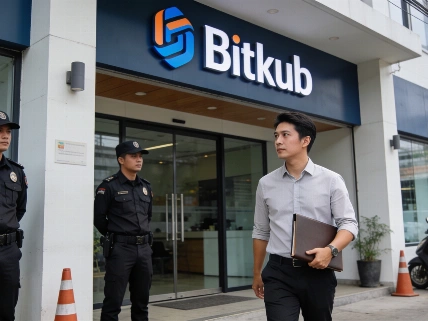
The situation highlights the complexities of turning bankruptcy claims into liquid equity, especially when shares are distributed to a large and diverse group of retail creditors. While the Nasdaq listing provides a real exit route for some, it does not guarantee immediate access to cash for all recipients. This dynamic is not unique to Ionic Digital; similar challenges have emerged in other high-profile crypto cases, such as the regulatory scrutiny faced by exchanges accused of mishandling user assets. For example, Thailand's SEC recently alleged that Bitkub concealed a major crypto theft, raising broader questions about transparency and user protection in the sector. Details on that case can be found in this report on Bitkub's alleged concealment of a $53 million theft.
Shareholder Impact and Next Steps
For U.S. retail investors and former Celsius creditors, the key takeaway is that a public listing does not automatically translate to immediate liquidity. The process of moving shares from a transfer agent to a brokerage account, combined with potential legal restrictions, means that some holders may face delays of several days or longer before they can sell. Investors should also be aware that market prices can fluctuate significantly during this period, potentially affecting the value realized upon sale.
As more shares become eligible for trading, market dynamics could shift, impacting both liquidity and price volatility. The experience of Ionic Digital's creditor-linked equity underscores the importance of understanding the mechanics of share transfers, regulatory compliance, and the practical limitations of bankruptcy-driven token or equity distributions. For those navigating similar situations, careful attention to transfer procedures and legal requirements is essential to avoid unexpected delays or complications.
According to Investing.com, IOND's first trading session on July 28, 2024, saw a closing price of $62.90 and a trading volume of approximately 1.58 million shares. The company's final prospectus reported 37 million Class A shares issued to Celsius creditors and about 82,000 stockholders of record prior to the listing, though the exact number of creditor recipients remains unspecified.
When bankruptcy claims are converted into equity or tokens, the resulting assets often come with transfer restrictions, lock-up periods, or legal limitations that can delay or complicate access to liquidity. In the U.S., securities laws may impose additional hurdles for affiliates or insiders, and the process of moving shares from a transfer agent to a brokerage account can add further friction. For retail investors, understanding these mechanics is critical to setting realistic expectations about when and how they can access funds following a bankruptcy-driven distribution.