
Hyperliquid Strategies has raised the cap on its Chardan Capital Markets equity facility to $2.5 billion, giving the company more room to issue new shares and potentially increase its HYPE token holdings
Hyperliquid Strategies is betting bigger on its ability to raise capital through public markets, amending its equity facility with Chardan Capital Markets to allow up to $2.5 billion in share sales. The move, disclosed in a September 1 SEC filing, more than doubles the previous $1 billion ceiling and signals the company's intent to keep leveraging equity issuance as a funding tool.
Facility Mechanics
The Chardan arrangement lets Hyperliquid Strategies direct the New York-based investment bank to purchase newly issued common shares at set intervals, which Chardan then resells on the public market. This structure, often called an at-the-market (ATM) equity facility, gives the company flexibility to raise funds as needed, but each draw increases the total share count and can dilute existing shareholders. The $2.5 billion figure is a maximum capacity, not a guarantee of funds raised.
Token Holdings and Market Moves
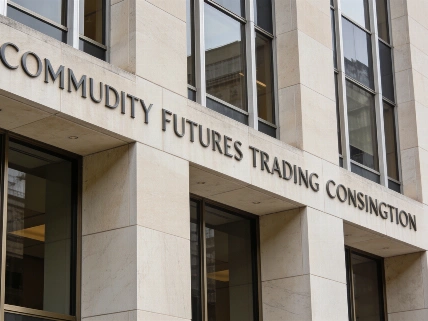
Before the amendment, Hyperliquid Strategies had already raised $647 million through the facility and reported holding about 29.3 million Hyperliquid (HYPE) tokens in its treasury. The company's accumulation of HYPE is central to its stated treasury strategy, even as it maintains it has no formal affiliation with the Hyperliquid protocol. In August 2026, HYPE's price jumped over 20% after then-President Donald Trump referenced Commodity Futures Trading Commission Chair Michael Selig's efforts to bring the Hyperliquid decentralized trading platform into U.S. markets in a compliant manner. Shares of Hyperliquid Strategies surged 30.4% following those remarks, highlighting the market's sensitivity to regulatory signals and political commentary.
Independence and Capital Deployment
Despite sharing a name and holding the native token, Hyperliquid Strategies describes itself as an independent, Nasdaq-listed entity with no formal ties to the Hyperliquid protocol. The company's filings emphasize that proceeds from share sales may be used to acquire additional HYPE tokens, subject to market conditions and the pricing terms set in the Chardan agreement. This approach gives Hyperliquid Strategies a direct mechanism to expand its token holdings without relying on debt or traditional fundraising, but it also exposes existing shareholders to dilution risk and links the company's capital strategy to the volatile HYPE token market.
Regulatory and Market Implications
The SEC filing does not indicate any change in the regulatory status of Hyperliquid Strategies or the HYPE token. The company's ability to raise capital through equity sales depends on investor appetite for its shares and the perceived value of its token holdings. The expanded facility could allow for more aggressive accumulation of HYPE, but it also raises questions about long-term shareholder value if token prices fall or if regulatory scrutiny intensifies. For U.S. investors, the arrangement underscores the complexity of equity-linked crypto exposure, where company performance, token price, and regulatory developments are tightly intertwined.
According to the company's SEC filings, Hyperliquid Strategies had raised $647 million through the Chardan facility prior to the September 1 amendment. The company reported holding approximately 29.3 million HYPE tokens in its treasury at that time. The new $2.5 billion cap represents a theoretical maximum and does not reflect funds already secured or committed.
Equity facilities like the one used by Hyperliquid Strategies illustrate how crypto-linked companies can tap public markets for capital while managing treasury exposure to volatile digital assets. Unlike traditional debt or private placements, ATM equity facilities allow for incremental fundraising but can lead to significant dilution if used aggressively. Investors considering exposure to such companies should weigh the risks of dilution, token price volatility, and regulatory uncertainty, especially when a company's business model is closely tied to the performance of a single digital asset.