Hamster Kombat, a Telegram-based crypto exchange simulator, is attracting millions of new users by lowering entry barriers and rewarding strategic gameplay over simple clicking. Here's how its mechanics and reward system work
Hamster Kombat, a Telegram Mini App that simulates running a virtual cryptocurrency exchange, is rapidly gaining traction among users interested in Web3 without the usual onboarding friction. Unlike many blockchain games that require upfront NFT purchases or wallet connections, Hamster Kombat lets users start playing instantly within Telegram, making it accessible to a broader audience-including those new to crypto.
Players take on the role of a virtual exchange CEO, aiming to maximize hourly profit by managing resources, upgrading management cards, and completing daily tasks. The game's mechanics blend clicker elements with resource management, but the focus shifts from manual clicking to optimizing passive income as the exchange grows. Early gameplay involves earning coins through clicks and investing them in cards representing business functions like marketing, PR, and legal modules. As users progress, new cards and features unlock, and passive income becomes the main driver of growth.
Onboarding and User Experience
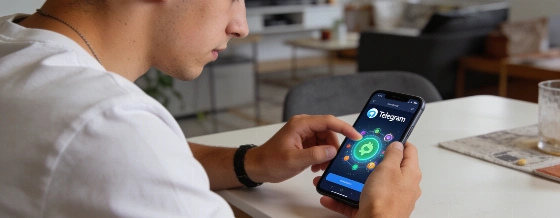
Hamster Kombat's onboarding process is designed to minimize barriers. Users simply open the official Telegram bot, launch the Mini App, and create their exchange. No blockchain wallet is required to begin, which helps attract users unfamiliar with Web3. The game introduces players to core crypto concepts-such as the HMSTR token, the TON wallet, and on-chain features-gradually, allowing them to explore at their own pace. Wallet connection becomes necessary only for those seeking to participate in airdrops or advanced on-chain activities, and even then, it's an optional step that doesn't block basic gameplay.
This "play first, connect later" approach stands in contrast to traditional GameFi projects, where wallet setup and asset purchases are often mandatory from the outset. By lowering the entry threshold, Hamster Kombat has become one of the most popular Telegram-based games, with user numbers reportedly in the millions according to project channels and community trackers.
Daily Tasks and Reward Structure
Hamster Kombat incentivizes regular engagement through a variety of daily tasks and community activities. Key daily missions include the Daily Combo (selecting the right combination of management cards), the Daily Cipher (a Morse code puzzle), daily check-ins, and limited-time event challenges. Each task offers different in-game rewards, such as coins, bonuses, or exclusive items. The game's developers also run community events-like subscribing to channels or testing new features-that provide additional incentives for active participation.
Completing daily tasks is the most effective way to accumulate resources and maintain a competitive edge. The reward system is structured to favor consistent, long-term engagement over sporadic bursts of activity. As a result, players who optimize their strategies and participate regularly tend to outperform those who rely solely on clicking or short-term tactics.
Progression, Seasons, and Airdrops
Progress in Hamster Kombat is measured by the efficiency of exchange management rather than raw click counts. Upgrading management cards and leveling up the exchange increases hourly profit, which becomes the primary source of income in later stages. Higher levels unlock more lucrative cards and advanced modules, making strategic planning essential for sustained growth.
The game operates in seasons, each with its own set of goals, tasks, and reward criteria. Seasonal rewards-including HMSTR token airdrops-are distributed based on cumulative performance, not just single achievements. According to project documentation, the first season allocated 60% of the total HMSTR supply to participants, while the second season set aside 15%. However, eligibility and distribution rules may change with each season, and users are advised to follow official announcements for the latest details.
For those interested in on-chain rewards or airdrops, connecting a compatible wallet is required at a later stage. This step is optional for basic gameplay but necessary for deeper involvement in the project's token ecosystem.
Market Data and User Metrics
While Hamster Kombat does not publish official user numbers, community trackers and Telegram analytics suggest that the game has attracted millions of active participants since its launch. The HMSTR token, which is central to the game's reward system, is distributed according to seasonal rules published by the project. As of June 2024, 60% of the HMSTR supply was allocated to season one participants, with 15% reserved for season two. The game's integration with the TON blockchain and Telegram's Mini App platform has contributed to its rapid adoption, especially among users seeking low-friction entry points to Web3.
Hamster Kombat's approach highlights a broader trend in crypto gaming: reducing onboarding complexity to drive user growth. By making wallet connection optional and focusing on strategic, long-term engagement, the game appeals to both crypto newcomers and experienced users looking for a more accessible entry into blockchain-based economies.
Unlike many GameFi projects that require upfront investment or technical setup, Hamster Kombat's model demonstrates that user-friendly design and gradual introduction to on-chain features can significantly expand the reach of Web3 products. As the ecosystem evolves, similar approaches may become more common among projects aiming to bridge the gap between mainstream users and blockchain technology.